Quick answer: No home remedy has been shown to regrow hair lost to hereditary pattern baldness, which is the most common cause of hair loss. What you can do at home is deal with the likely cause: eat enough protein and iron, go easy on heat, tight hairstyles and chemical treatments, and give stress-related shedding time to settle. Egg and coconut masks may condition your hair, but there is no clinical evidence that they stop hair fall. If hair loss is sudden, patchy or worrying you, see a doctor or dermatologist.
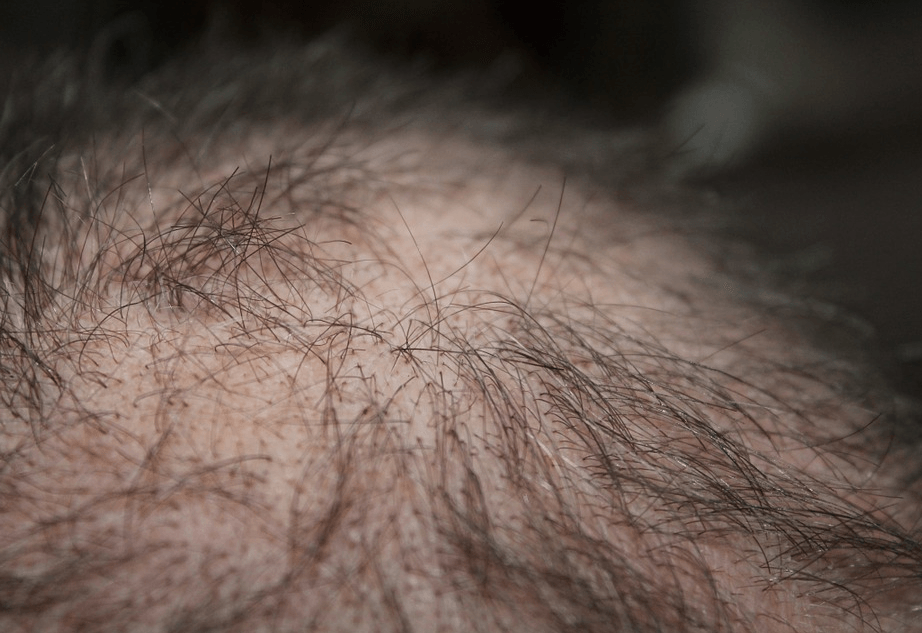
Hair loss has many causes, including low protein or iron, illness, stress, hormonal changes and treatments such as chemotherapy. If it is happening to you, you are not alone: hair loss in women and men is very common. Many people try home remedies before considering medicines or a hair transplant. This guide explains which remedies are reasonable to try, what the evidence says about each one, and when home care is not enough.
This is general information, not medical advice. Talk to a doctor or dermatologist about your own hair loss, especially before taking supplements or medicines.
Why hair falls out
It is normal to shed some hair every day. The American Academy of Dermatology (AAD) puts normal shedding at roughly 50 to 100 hairs a day. Hair loss becomes a problem when more falls out than grows back. The AAD lists these among the common causes:
- Hereditary hair loss (male or female pattern hair loss): the most common cause worldwide. Treatment works best when started early.
- Stress, illness, surgery or childbirth: heavy shedding can start a few months after the event. Once the trigger has passed, hair usually regains its normal fullness within six to nine months.
- Too little protein, iron, zinc or biotin in the diet. Hair usually regrows once the body gets enough of the missing nutrient.
- Too much vitamin A or selenium, usually from supplements.
- Thyroid disease and hormonal conditions such as polycystic ovary syndrome (PCOS).
- Tight hairstyles and harsh hair care, such as frequent colouring, perming or relaxing.
- Chemotherapy or radiation to the head. Hair usually regrows within months after treatment ends.
Home remedies can help only with some of these causes. For hereditary hair loss, thyroid problems or alopecia areata, a doctor’s diagnosis matters more than any mask.
1. Eat a balanced diet with enough protein and iron
Hair is made mostly of protein, and low protein, iron or zinc intake can cause noticeable hair loss. A balanced diet that includes all the food groups is the simplest first step:
- Include a protein source at most meals: dal, pulses, paneer, curd, milk, eggs, fish or meat.
- Eat iron-rich foods such as green leafy vegetables, legumes, and meat or fish if you eat them. Vitamin C from fruit and vegetables helps your body absorb iron from plant foods.
- Avoid crash diets. Rapid weight loss is a recognised trigger for temporary shedding.
If you suspect a deficiency, ask a doctor for a blood test before taking supplements. More is not better: too much vitamin A or selenium can itself cause hair loss.
Exercise, yoga and meditation are good for your general health and can help you manage stress, which is one trigger for shedding. An earlier version of this article called yoga and meditation “two of the best ways to overcome hair loss”. There is no good evidence for that, so treat them as part of a healthy routine rather than a hair treatment. For more on nutrients and supplements, see our guide to vitamins and minerals that support your immune system.
2. Cut back on heat, tight styles and chemical treatments
Chemical treatments such as straightening, perming, relaxing and colouring can damage hair. Done often, they can damage the follicles too, and damaged follicles may not regrow hair. Use them less, and leave longer gaps between treatments.
Heat also damages hair. The AAD advises the following:
- Limit blow-drying and flat or curling irons.
- When you do use heat, choose a low or medium setting and a heat-protectant product.
- Dry hair by wrapping it in a towel or T-shirt instead of rubbing it.
If you must go out with wet hair in cold weather, a dryer on a low setting is fine.
Hairstyles that pull hard on the hair, such as tight ponytails, buns, braids and extensions, can cause traction alopecia. Changing the style stops further loss, but the AAD warns that hair lost this way may not grow back. Loosen tight styles at the first sign of thinning at the hairline or temples.
3. Egg mask
Eggs contain protein and nutrients such as selenium, iodine, zinc, sulphur and phosphorus, which is why egg masks are a popular home remedy. To make one:
- Add a teaspoon each of olive oil and honey to one egg white in a bowl.
- Beat the mixture into a smooth paste.
- Apply it from the roots to the tips.
- After 20 minutes, rinse it out with a mild shampoo. Use cool or lukewarm water so the egg does not set in your hair.
An egg mask can leave hair feeling softer and smoother. There are no clinical trials showing that it reduces hair fall or regrows hair. Nutrients applied to the scalp are not the same as nutrients your body absorbs from food. Skip this mask if you are allergic to eggs.
4. Coconut milk
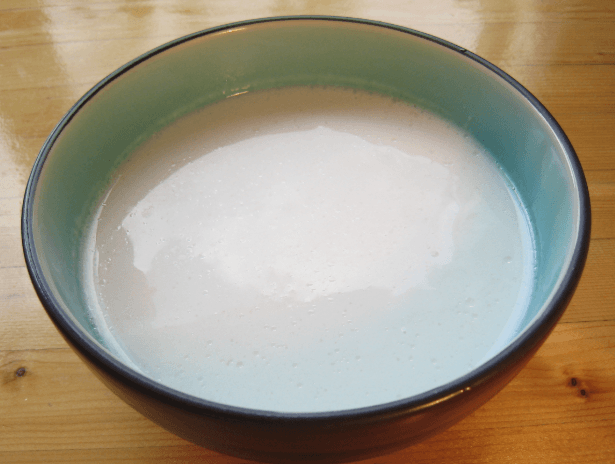
Coconut milk contains fats and some protein, and it is a traditional hair treatment in India. To prepare it:
- Grate a medium-sized coconut.
- Simmer the grated coconut in a pan for 5 minutes, then strain out the milk and let it cool.
- Add one tablespoon of fenugreek (methi) seeds and a little crushed black pepper if you like.
- Apply the mixture to your scalp and hair.
- Rinse it off after 20 minutes.
The best evidence here is for coconut oil, not coconut milk. A 2003 laboratory study in the Journal of Cosmetic Science found that coconut oil reduced protein loss from hair. That helps protect hair from breakage, but it is not the same as treating hair loss. Black pepper can irritate the scalp, so test a small patch first and stop if it stings or turns red.
5. Rosemary oil (limited evidence)
Rosemary oil is the home remedy with the most research behind it, though the evidence is still thin. In a 2015 trial in 100 men with pattern hair loss, diluted rosemary oil applied for six months gave results similar to 2% minoxidil, with less scalp itching. However, the trial was small, had no placebo group and has not been repeated.
If you try rosemary oil:
- Dilute a few drops in a carrier oil such as coconut oil.
- Patch-test it first, because undiluted essential oils can irritate the skin.
- Give it several months before you judge whether it works.
Treatments with stronger evidence
If home care does not help, talk to a doctor about these options. The UK’s National Health Service (NHS) notes that no treatment is 100% effective.
- Minoxidil (lotion or foam) is the main treatment for pattern hair loss in both men and women. It works only while you keep using it.
- Finasteride tablets are a prescription treatment for male pattern hair loss. According to the NHS, women should not use finasteride.
- Steroid creams or injections and other treatments are used for alopecia areata. A dermatologist decides which is suitable.
- Hair transplant surgery can be an option for some people with long-standing pattern hair loss.
Be cautious with “hair growth” supplements. Reviews have found little evidence that biotin helps people who are not deficient. The US Food and Drug Administration (FDA) has also warned that high-dose biotin can distort some blood test results. If you take biotin, tell your doctor before any blood test. For a wider look at supplement marketing claims, see our guide to detox tablets and supplements.
When to see a doctor about hair loss
See a doctor or dermatologist if:
- hair falls out suddenly, in clumps or in round or oval patches;
- your eyebrows or eyelashes are also thinning;
- your scalp is painful, itchy, scaly, crusted or inflamed;
- you have other symptoms such as tiredness, weight change or irregular periods, which can point to thyroid, iron or hormone problems;
- the hair loss started after a new medicine (do not stop a prescribed medicine without asking your doctor);
- a child is losing hair;
- hair loss is affecting your confidence or wellbeing.
Early diagnosis matters. Some types of hair loss respond best to treatment that starts early, and scarring types can cause permanent loss if treatment is delayed.
Frequently asked questions
How much hair fall is normal in a day?
According to the AAD, shedding roughly 50 to 100 hairs a day is normal. Shedding well above that, a widening parting or visible patches are worth discussing with a doctor.
Will hair grow back after stress-related shedding?
Usually, yes. Heavy shedding after stress, illness, surgery or childbirth tends to begin a few months after the event. The AAD says hair usually regains its normal fullness within six to nine months once the trigger has passed.
Can home remedies cure baldness?
No. No home remedy has been shown to reverse hereditary pattern baldness. Rosemary oil has some early evidence. Minoxidil and, for men, finasteride have much stronger evidence.
Does oiling hair stop hair fall?
Coconut oil can reduce protein loss from the hair shaft, which may mean less breakage. It does not treat the causes of hair loss at the root. Heavy oiling on a sensitive scalp can cause build-up or irritation.
Should I take biotin or hair vitamins?
Only if a doctor finds a deficiency. Biotin has not been shown to help people with normal levels. Too much vitamin A or selenium can cause hair loss, and high-dose biotin can affect some blood test results.
If hair loss is part of a wider skin concern, our guide to treating acne scars covers when to see a dermatologist for skin problems.
This guide was checked in October 2026 against the American Academy of Dermatology’s hair loss guidance, the NHS hair loss page, FDA safety information on biotin and published research on coconut oil and rosemary oil. It is general information, not a substitute for advice from your own doctor.