Quick answer: A CBD rub is a balm or cream containing cannabidiol (CBD) that you massage into sore muscles or joints. People use CBD rubs for aches, strains and nerve pain, but the evidence is thin: one small 2020 trial found topical CBD oil eased nerve pain in the feet and legs, and there are no large trials for muscle or joint pain. No topical CBD product is approved as a medicine in the US or India, product quality varies widely, and CBD can cause side effects and drug interactions, so check with a doctor before you use one.
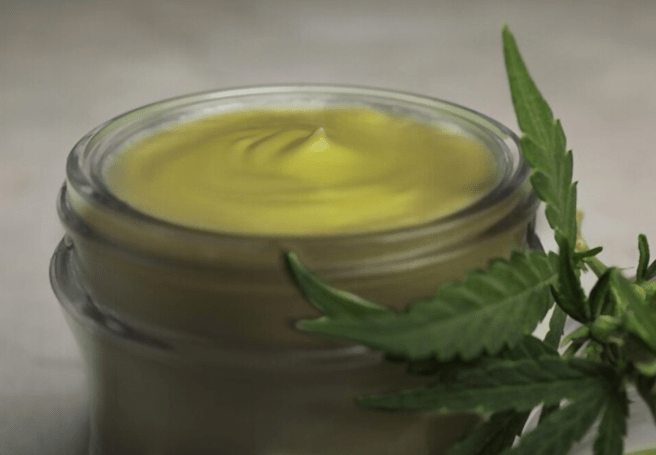
People who play high-impact sports, or whose jobs involve heavy physical work, often end the day with aching muscles, sore joints or swelling. Many reach for painkillers. Others have tried CBD rubs, which are sold as a plant-based alternative. Pain has many causes, from strains to nerve damage (see this overview of common causes of aches and pain), and no single product suits them all.
This is general information, not medical advice. Talk to a doctor or pharmacist before using CBD, especially if you take other medicines, are pregnant or breastfeeding, or have liver disease.
What is CBD?
Cannabidiol (CBD) is one of the compounds in the cannabis plant. Most CBD products are made from hemp, a variety of cannabis grown for fibre and seed. Unlike tetrahydrocannabinol (THC), CBD does not cause a “high”.
CBD is sold in many forms:
- oils and tinctures placed under the tongue;
- capsules and gummies that are swallowed;
- vapes and smokable products that are inhaled;
- balms, salves, creams and rubs applied to the skin.
This article covers rubs and balms. You can read more about other health topics on eDefines.
An earlier version of this article said CBD can treat anxiety, arthritis, cancer, insomnia and epilepsy, and works “without having any side effects”. That overstated the evidence. The only CBD medicine approved by the US Food and Drug Administration (FDA) is Epidiolex, an oral prescription drug for seizures linked to Lennox-Gastaut syndrome, Dravet syndrome and tuberous sclerosis complex. The FDA has sent warning letters to companies that claimed CBD treats serious diseases such as cancer.
How is a CBD rub used?
CBD rubs usually combine CBD extract with a base of oils or waxes, and often add herbs and essential oils such as menthol, camphor or arnica. They are meant for a specific sore area, not for the whole body. To use one:
- Wash your hands and the area you plan to treat.
- Test a small amount on a patch of skin first, and wait to check for redness or itching.
- Massage a thin layer into the sore muscle or joint.
- Do not apply it to broken, burnt or irritated skin, or near the eyes.
- Wash your hands again afterwards.
Rubs are thought to work locally. The CBD is absorbed into the skin and may act on cannabinoid receptors in nearby tissue, with much less reaching the bloodstream than when CBD is swallowed. How much CBD actually reaches the painful area through the skin is still not well understood. Menthol, camphor and the massage itself can also make the area feel better, whether or not the product contains CBD.
What does the evidence say about CBD rub benefits?
Topical CBD products are widely discussed, including in this US News overview of whether topical CBD works. The research on rubs, though, is still at an early stage.
Nerve pain
Neuropathic (nerve) pain comes from damaged or malfunctioning nerves rather than from overworked muscles. Common causes include diabetes and injury, and the pain can be burning, sharp or tingling.
A 2020 randomised, placebo-controlled trial published in Current Pharmaceutical Biotechnology tested CBD oil applied to the skin in 29 people with peripheral neuropathy of the legs and feet. After four weeks, the CBD group reported less intense pain, sharp pain and cold or itchy sensations than the placebo group, and no adverse events were reported. The findings are encouraging, but this was one small, short study. Larger trials are needed before topical CBD can be called an effective treatment.
The original version of this article said “studies have shown” CBD rubs relieve nerve pain. One small trial is not yet proof. Nerve pain also needs a medical diagnosis, because the cause, such as diabetes, may need treatment.
Strains, sore muscles and joint pain
CBD rubs are widely marketed for workout soreness, strains, back pain, neck and shoulder tension and joint pain. Laboratory and animal studies suggest CBD may affect inflammation. However, there are no large, well-designed human trials showing that a CBD rub speeds muscle recovery or relieves joint pain better than a placebo cream.
For cannabinoids taken by mouth, the US National Center for Complementary and Integrative Health (NCCIH) describes the pain benefit seen in trials as small. It says the difference from placebo “may be too small to be meaningful to patients”. To understand why small or short studies are not enough, see our guide to how clinical studies are designed.
Safety, side effects and drug interactions
CBD is not free of side effects. The FDA and NCCIH list these concerns for CBD in general, mostly from studies of CBD taken by mouth:
- liver injury;
- drowsiness and sedation, which is worse with alcohol or sedating medicines;
- interactions with other medicines, which can make them stronger or weaker;
- diarrhoea, reduced appetite and mood changes;
- harm to male reproductive development, seen at high doses in animal studies.
Rubs expose the body to less CBD than oral products, but they have been studied far less, so the same precautions are sensible:
- Pregnancy and breastfeeding: the FDA strongly advises against using CBD in any form.
- Other medicines: ask a doctor or pharmacist first if you take blood thinners, epilepsy medicines, sedatives or several regular medicines.
- Skin reactions: the essential oils and fragrances in rubs can irritate sensitive skin.
- Drug tests: some CBD products contain THC that is not listed on the label, which could affect a drug test.
Is CBD legal, and how are CBD rubs regulated?
United States: The FDA has concluded that CBD cannot be sold as a dietary supplement or added to food. It has not approved any topical CBD product. Marketing an unapproved CBD product with claims that it treats a disease breaks US law. Topical rubs are often sold as cosmetics, which do not need FDA approval before sale, but they still may not make drug claims.
India: The legal position is not settled.
- The Narcotic Drugs and Psychotropic Substances (NDPS) Act, 1985 defines cannabis as charas, ganja (the flowering or fruiting tops) and mixtures of them. It excludes the seeds, and the leaves when they are not accompanied by the tops.
- Most CBD products sold in India are marketed as Ayurvedic preparations made from cannabis leaf and sold under AYUSH licences.
- There is no specific central rule approving CBD as a food, supplement or medicine, and some states have their own restrictions on cannabis products.
If you are unsure, check the seller’s licence and your state’s rules before buying, and get legal advice before importing CBD products.
Where to buy a CBD rub, and how to judge quality
Buying any CBD product is tricky because labels are often wrong. A 2017 study in JAMA tested 84 CBD products sold online. Only about 31% contained the amount of CBD stated on the label, within an acceptable margin, and THC was found in 18 of them. When choosing a product:
- Buy from a licensed, established seller.
- Look for an independent laboratory certificate of analysis (COA) for the batch you are buying. It should show the CBD content and test for THC, pesticides and heavy metals.
- Check the full ingredient list for things your skin reacts to.
- Be wary of any product that claims to cure or treat a disease.
“Natural” or “organic” on the label does not guarantee quality or safety, and a high price does not either. Some readers have asked about specific brands. One US seller is Cheef Botanicals, which sells a CBD rub. eDefines has not tested any CBD product, and the strength, ingredients and legal status of a product can differ between countries. For a wider look at how supplement products are marketed, see our guide to detox tablets and supplements.
When to see a doctor about pain
A rub is not a substitute for medical care. See a doctor if:
- pain is severe, or has lasted more than a few weeks;
- a joint is hot, red and swollen, or you have a fever;
- you cannot put weight on a limb after an injury;
- you have numbness, tingling, burning pain or weakness, which can be signs of nerve damage;
- pain wakes you at night or comes with unexplained weight loss.
Frequently asked questions
Does a CBD rub get you high?
No. CBD does not cause a high. Some products contain small amounts of THC, which is the intoxicating compound, so check the lab report.
How quickly does a CBD rub work?
Sellers often claim relief within minutes. There is no reliable research on how fast topical CBD works. Ingredients such as menthol and camphor create an immediate cooling or warming feeling, whether or not CBD is present.
Is a CBD rub safe to use every day?
Daily use of topical CBD has not been well studied. Stop if your skin reacts. Talk to a doctor before regular use if you take other medicines, have liver disease, or are pregnant or breastfeeding.
Is a CBD rub better than a regular pain-relief gel?
There is no good head-to-head evidence. Some standard pain-relief gels, such as topical anti-inflammatory gels, have been tested in many more trials. A pharmacist can help you compare options.
Can I use a CBD rub with painkillers?
Ask a doctor or pharmacist first. CBD can interact with some medicines, and the risk is higher with oral CBD than with rubs.
This guide was checked in October 2026 against the FDA’s published position on cannabis-derived products, NCCIH’s guidance on cannabis and cannabinoids, a 2020 trial of topical CBD for peripheral neuropathy, a 2017 JAMA study of CBD label accuracy and India’s NDPS Act, 1985. CBD rules change often, so check current rules where you live before you buy.