Quick answer: Bangkok’s must-see places are the Grand Palace and the Temple of the Emerald Buddha, Wat Pho with its 46-metre reclining Buddha, Wat Arun across the Chao Phraya River, the Jim Thompson House, Chatuchak Weekend Market and Chinatown. Families can add Sea Life Bangkok Ocean World, Lumphini Park and Dream World. Dusit Zoo, which earlier versions of this list included, closed in 2018, and its replacement outside the city has not fully opened yet.

Bangkok is often thought of only for its nightlife, but Thailand’s capital has some of Southeast Asia’s finest temples, palaces and museums, along with huge markets and some of the best street food anywhere. The list below covers the classic sights as well as family attractions and day trips, with notes on what has changed and what to check before you go.
Bangkok’s top places at a glance
| Place | Area | Best for |
|---|---|---|
| Grand Palace and Wat Phra Kaew | Rattanakosin (old town) | History, architecture |
| Wat Pho | Rattanakosin, south of the Grand Palace | Reclining Buddha, Thai massage |
| Wat Arun | Thonburi, west bank of the river | Riverside temple, photos |
| Chao Phraya River | Through the city | Boat trips, dinner cruises |
| Jim Thompson House | Pathum Wan | Thai houses, art collection |
| Bangkok National Museum | Rattanakosin | Thai art and history |
| Chatuchak Weekend Market | Chatuchak | Shopping, souvenirs |
| Chinatown (Yaowarat) | Samphanthawong | Street food, temples |
| Lumphini Park | Pathum Wan | Green space, boating |
| Sea Life Bangkok Ocean World | Siam, under Siam Paragon | Families, rainy days |
| Madame Tussauds Bangkok | Siam | Wax figures, photos |
| Safari World | Khlong Sam Wa | Drive-through safari |
| Dream World | Pathum Thani, north of Bangkok | Amusement rides |
| Erawan Museum | Samut Prakan, south-east of Bangkok | Giant elephant sculpture |
| Floating markets | Mostly outside the city | Day trips |
Temples and palaces
Wat Arun (Temple of Dawn)
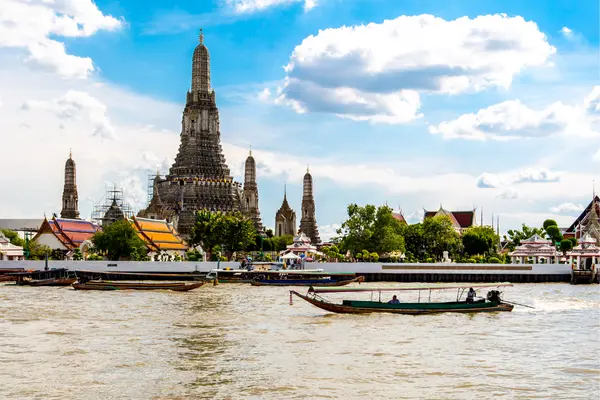
Wat Arun, the “Temple of Dawn”, stands on the west (Thonburi) bank of the Chao Phraya River. It takes its name from Aruna, the Hindu god associated with the dawn and the charioteer of the sun god Surya. Its central prang (spire), decorated with pieces of coloured porcelain, is one of Bangkok’s most recognisable sights.
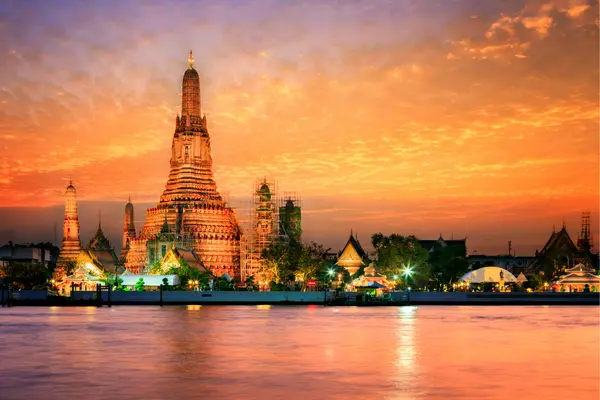
A temple stood here in the Ayutthaya period. King Taksin made it important when Thonburi was the capital, and the great prang was built under Kings Rama II and Rama III and completed in 1851. The prang was restored between 2013 and 2017. Wat Arun is lovely at any time, but many people like to photograph it from the east bank at sunset. Cross-river ferries run to the temple pier. As reported in 2024, foreign visitors pay an entry fee of 200 baht; check the current fee at the gate.
Grand Palace and the Temple of the Emerald Buddha
The Grand Palace in Bangkok’s old town has been the official residence of Thailand’s kings since 1782, when King Rama I (Phutthayotfa Chulalok) founded Bangkok as the capital of the Rattanakosin Kingdom. Kings no longer live there, but it is still used for royal ceremonies and state occasions. (An earlier version of this article called it the former home of “Lord Rama”; the palace was built by King Rama I of the Chakri dynasty.)
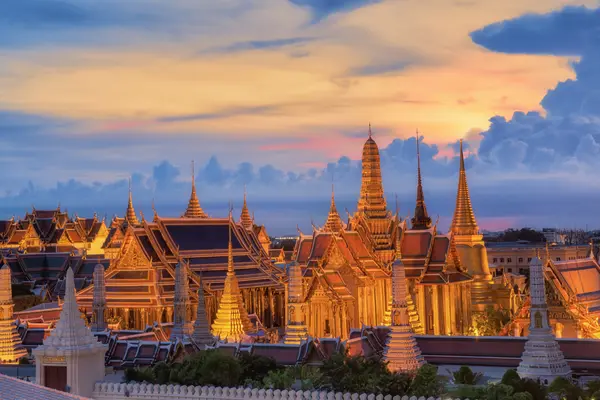
The complex includes Wat Phra Kaew, the Temple of the Emerald Buddha, Thailand’s most sacred Buddhist temple. As of October 2026, the official Grand Palace website lists opening hours of 8.30 am to 4.30 pm daily, with tickets sold from 8.30 am to 3.30 pm at 500 baht. Ceremonies sometimes close the palace at short notice, so check the official site before going. A strict dress code applies: cover your shoulders and knees, and avoid see-through clothing.
Wat Pho (Temple of the Reclining Buddha)
Wat Pho lies just south of the Grand Palace. It existed before Bangkok became the capital, and King Rama I had it rebuilt from 1788 as his main temple. Its most famous sight is the reclining Buddha, which is 46 metres long and 15 metres high, built of brick and plaster and covered in gold leaf.
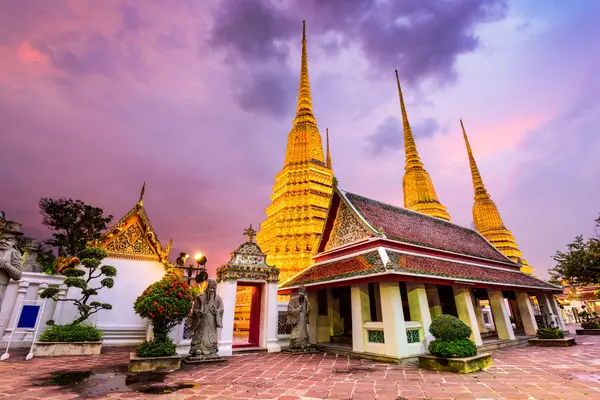
Wat Pho is also the home of traditional Thai massage. The Wat Pho Thai Traditional Medical and Massage School was the first Thai medicine school approved by Thailand’s Ministry of Education, and visitors can book a massage in the temple grounds. The temple’s marble inscriptions were added to UNESCO’s Memory of the World register in 2008. Check the current entry fee and hours at the gate or on the temple’s website.
Bangkok National Museum
The Bangkok National Museum occupies the former Front Palace (Wang Na) of the vice-kings, facing the Sanam Luang royal ground near the Grand Palace. It grew out of the public museum King Chulalongkorn opened in 1874 and moved here in 1887. It is one of the largest museums in Southeast Asia, with Thai art, sculpture, royal regalia and archaeological finds that trace the country’s history.
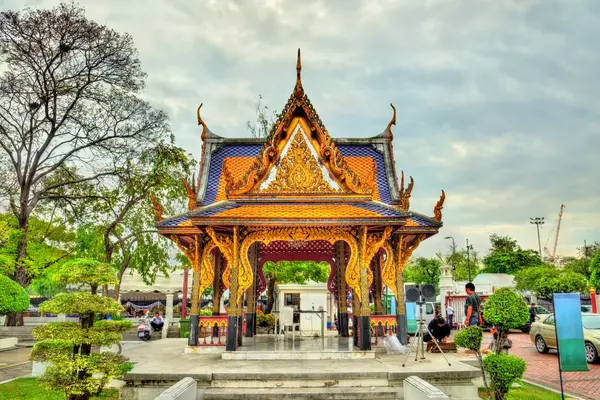
The museum’s exhibition halls have been through a long renovation programme. Check the Fine Arts Department’s information for current opening days and galleries before you go.
Along the river and in the city
Chao Phraya River
The Chao Phraya River flows through Bangkok to the Gulf of Thailand, and many of the city’s main sights, including the Grand Palace, Wat Pho and Wat Arun, sit along its banks. Riding the river is one of the easiest and most scenic ways to get around: the Chao Phraya Express Boat and tourist boats stop at piers near the main sights, and dinner cruises run in the evening.
The most comfortable time to explore the river and the rest of Bangkok is the cooler, drier season, roughly November to February.
Jim Thompson House
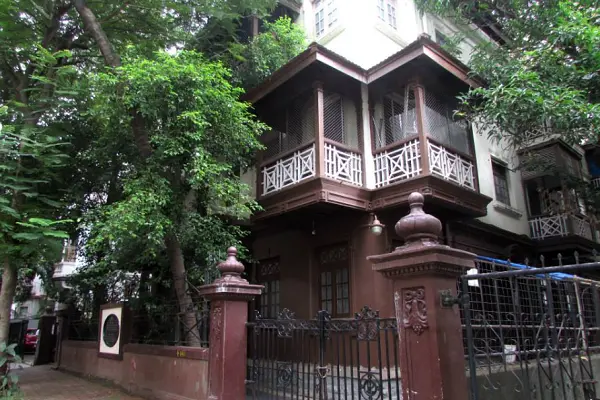
The Jim Thompson House is a museum in the centre of Bangkok, one block from the National Stadium. Jim Thompson was an American who served with the US Office of Strategic Services in the Second World War, stayed on in Thailand and founded the Thai Silk Company in 1948, helping to revive the Thai silk industry. He disappeared in Malaysia in 1967, and his fate is still unknown.
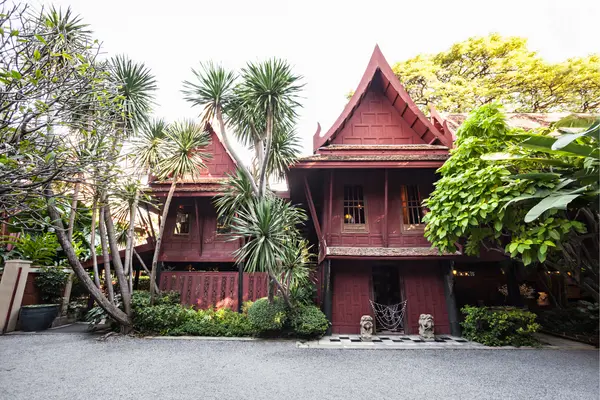
Built in 1959, the house combines six traditional teak Thai houses and holds Thompson’s collection of Southeast Asian art, including Buddhist sculpture, Thai paintings and Chinese porcelain. It is run by the James H.W. Thompson Foundation, and visits are by guided tour.
Lumphini Park
Lumphini Park is central Bangkok’s biggest green space, covering about 57 hectares. King Rama VI created it in 1925 on his own land and named it after Lumbini, the Buddha’s birthplace in Nepal.
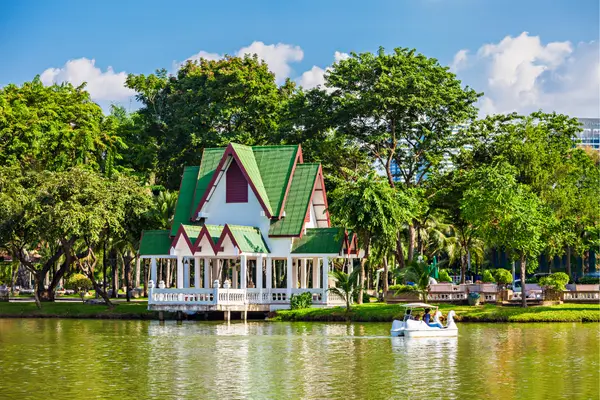
You can rent pedal boats on the lake, jog or join an outdoor exercise class, and you will almost certainly see some of the park’s large monitor lizards. The park is near the Sala Daeng BTS station and the Si Lom and Lumphini MRT stations, which makes it an easy stop for families.
Chinatown (Yaowarat)
Bangkok’s Chinatown, centred on Yaowarat Road, is one of the city’s oldest and busiest areas. It is famous for street food, which is at its best in the evening, and for gold shops, markets and Chinese temples.
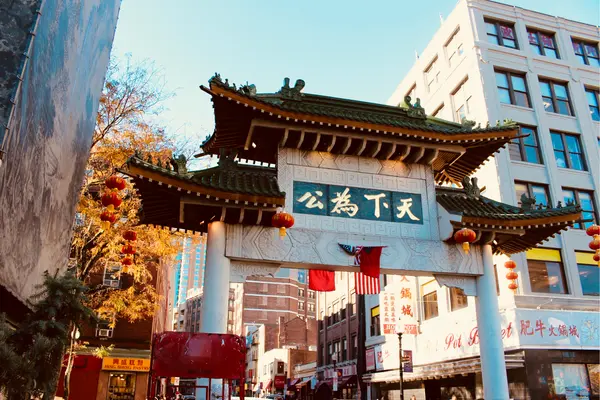
The area is worth a visit even on a short trip, and it is close to the river and the old town. The MRT Blue Line’s Wat Mangkon station is the most convenient stop.
Shopping and family attractions
Chatuchak Weekend Market
Chatuchak Weekend Market is often described as the world’s largest weekend market. It has more than 15,000 stalls in 27 sections selling clothes, crafts, home goods, plants, antiques and food, and over 200,000 people visit each weekend. It is a good place to buy souvenirs and gifts for people back home.
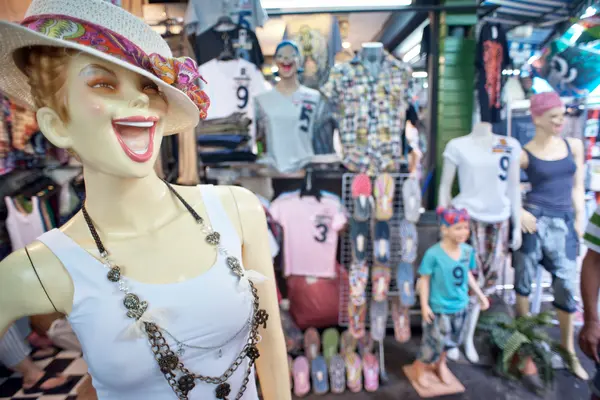
The market is served by Kamphaeng Phet and Chatuchak Park stations on the MRT Blue Line and by Mo Chit station on the BTS Sukhumvit Line. Go early in the day to avoid the worst of the heat and crowds.
Sea Life Bangkok Ocean World
Sea Life Bangkok Ocean World, formerly Siam Ocean World, is a large aquarium in the basement of the Siam Paragon shopping centre. It opened in 2005, has about 10,000 square metres of floor space and holds hundreds of species. It is a good choice for families or for a rainy or very hot day.
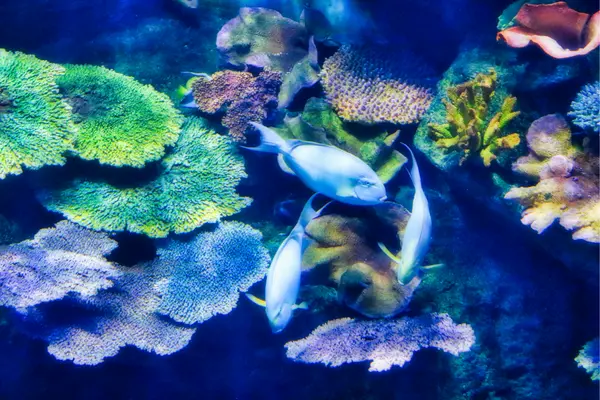
An earlier version of this article said the aquarium has 30,000 animals. We could not confirm that figure, so it has been removed.
Madame Tussauds Bangkok
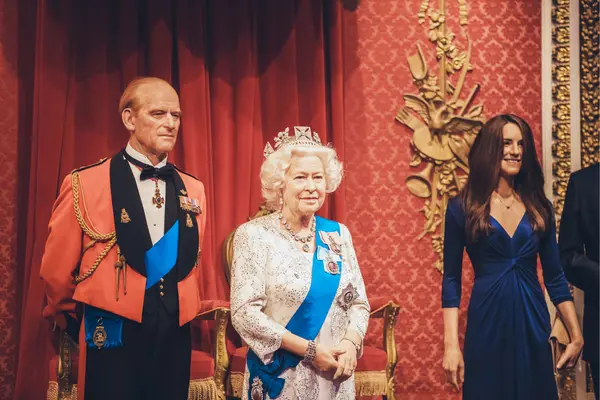
Madame Tussauds Bangkok, part of the international wax museum chain, is in the Siam shopping area. It has wax figures of Thai and international celebrities, film stars, sports people and world leaders, and visitors can pose with them for photos.
Safari World
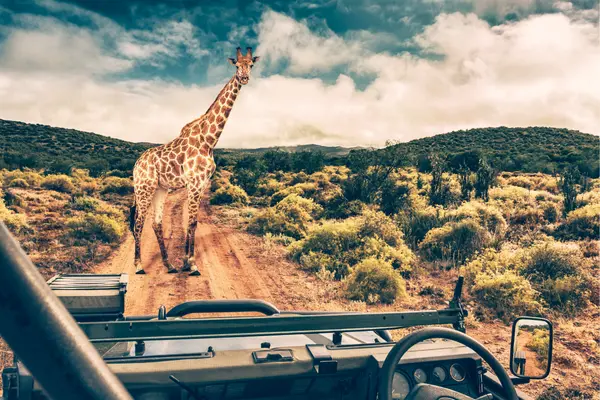
Safari World, which opened in 1988 in the Khlong Sam Wa district on Bangkok’s north-eastern edge, has two parts: a drive-through Safari Park where animals roam large enclosures, and a Marine Park with animal shows and aviaries.
The park has faced long-running criticism from animal-welfare groups over its shows and the way some animals are kept. In September 2025 a keeper was killed by lions there, and Thai authorities said at the time that the park’s zoo permit was awaiting renewal. Check its current status and read up on the shows before you decide whether to visit.
Dream World
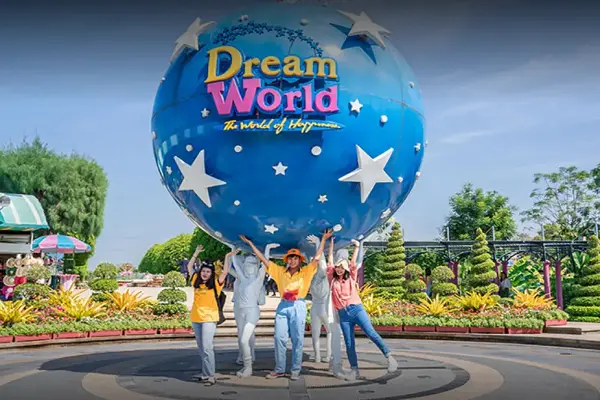
Dream World is an amusement park that opened in 1993 in Thanyaburi district, Pathum Thani province, just north of Bangkok. It has four zones: Dream World Plaza, Dream Garden, Fantasy Land and Adventure Land, with rides for both young children and thrill-seekers.
Erawan Museum
The Erawan Museum, opened in 2003 in Samut Prakan province just south-east of Bangkok, is famous for its giant bronze three-headed elephant, which is 29 metres high and stands on a 15-metre pedestal. It was created by Lek Viriyaphan, who also built the Ancient Siam park and the Sanctuary of Truth in Pattaya.
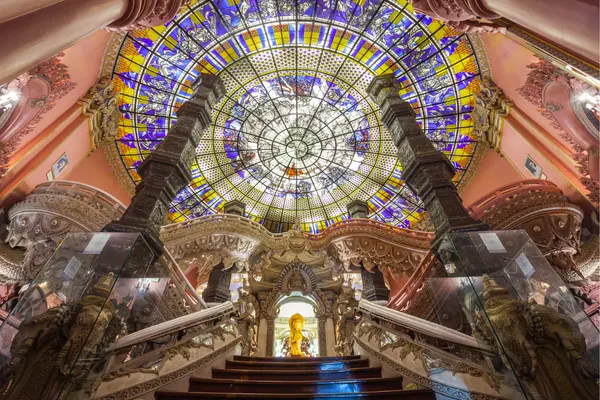
Inside, the two floors in the pedestal hold antiques, Chinese ceramics and European pottery, and the top floor, inside the elephant itself, represents a Buddhist heaven, with Buddha images from different periods of Thai history. (An earlier version of this article described the museum as having three storeys of religious artefacts; the lower floors hold antiques and ceramics.)
Dusit Zoo (closed)
Dusit Zoo, also known as Khao Din, was Bangkok’s main zoo for decades, but it closed permanently on 30 September 2018. Its operator, the Zoological Park Organization, is building a replacement at Khlong 6 in Thanyaburi district, Pathum Thani province. As reported in 2026, the first public opening of the new zoo was planned for April 2027, with the full park due in early 2029.
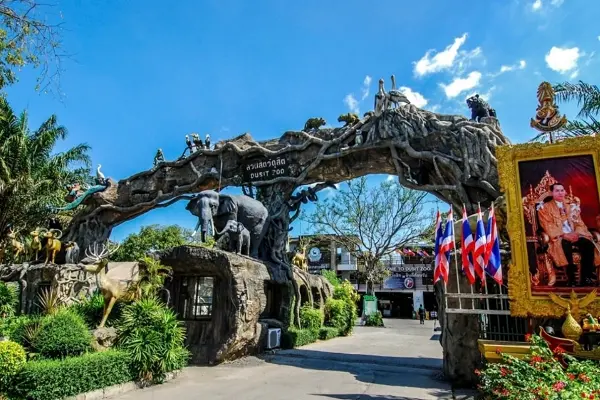
An earlier version of this article recommended Dusit Zoo as one of Bangkok’s best places to visit. Because it has closed, families looking for animals should consider Sea Life Bangkok Ocean World instead, or check whether the new zoo has opened.
Floating markets
Bangkok’s floating markets, where vendors sell fruit, vegetables and cooked food from boats, are a favourite day trip. If you have seen the floating vegetable market on Dal Lake in Srinagar, the idea will feel familiar.
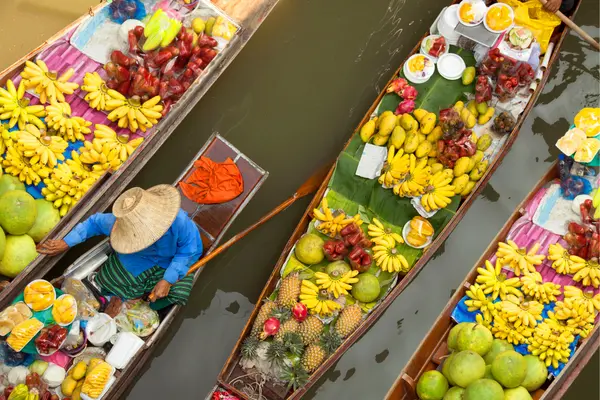
The best known, Damnoen Saduak, is in Ratchaburi province, about 100 km south-west of Bangkok. It is busiest in the early morning, from about 7 to 9 am, so most visitors go on an early tour. It is now very touristy. For a shorter trip, ask about the smaller canal-side markets on the Thonburi side of Bangkok, such as Taling Chan and Khlong Lat Mayom, which mainly open at weekends.
Before you travel
- Entry rules for Indian travellers: as reported in September 2026, Indian ordinary passport holders visiting for tourism can enter Thailand without a visa for up to 30 days, down from the 60 days allowed earlier. Every foreign visitor must also complete the Thailand Digital Arrival Card (TDAC) online before arrival. These rules change at short notice, so check with the Royal Thai Embassy in New Delhi and the official TDAC website before you travel.
- Dress for temples: cover your shoulders and knees at temples and the Grand Palace, and take your shoes off where asked.
- Getting around: the BTS Skytrain, the MRT and river boats are usually faster than road traffic.
- Watch for scams: be wary of anyone near the Grand Palace who says it is closed and offers to take you somewhere else; check with the official ticket office.
Planning a longer Thailand trip? See our guide to the best beaches in Thailand, or compare the region with the best beaches in Malaysia and the most beautiful beaches in Vietnam.
Frequently asked questions
What are the top places to visit in Bangkok on a short trip?
With one or two days, focus on the old town (the Grand Palace, Wat Pho and a ferry across to Wat Arun), a river boat ride and an evening in Chinatown. Add Chatuchak Weekend Market if you are in Bangkok at the weekend.
Is Dusit Zoo still open?
No. Dusit Zoo closed on 30 September 2018. A replacement zoo is being built in Pathum Thani, north of Bangkok, and was reported in 2026 to be aiming for a first opening in April 2027.
How much is the Grand Palace ticket?
As of October 2026, the official Grand Palace website lists the ticket at 500 baht, with tickets sold from 8.30 am to 3.30 pm. Check the website before you go, because the palace can close for royal ceremonies.
What is the best time to visit Bangkok?
The cooler, drier months of roughly November to February are the most comfortable. March to May is very hot, and the rainy season usually runs from about June to October.
Do Indians need a visa for Thailand?
As reported in September 2026, Indian tourists can enter visa-free for up to 30 days and must complete the Thailand Digital Arrival Card before arrival. Confirm the current rules with the Royal Thai Embassy in New Delhi before you book.
Details checked in October 2026 against the official Grand Palace website, published histories of Bangkok’s temples, museums and parks, and travel reporting on Dusit Zoo and Safari World. Opening hours, fees and entry rules change, so check before you travel.