Quick answer: The best places for metal detecting are spots where people have gathered for a long time: your own garden, beaches, public parks, sports grounds, old fairgrounds and ploughed farm fields. Always get the landowner’s or the authority’s permission first, never detect or dig at protected monuments or archaeological sites, and know the reporting rules for finds where you live; in India, finds of “treasure” must be reported to the district Collector under the Indian Treasure Trove Act, 1878.
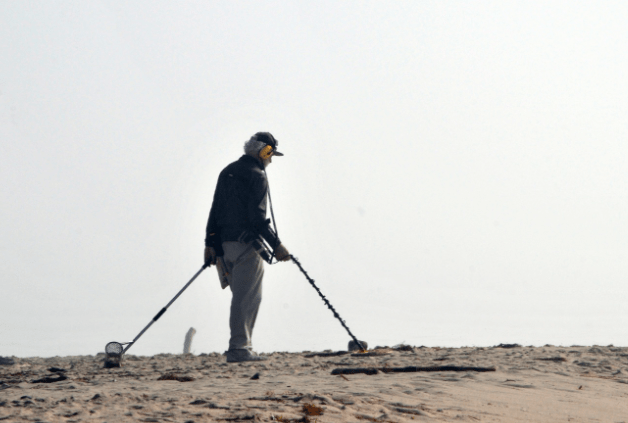
Treasure hunting with a metal detector is a popular hobby, and where you search matters as much as the detector you use. The places below are good starting points because people have walked, played, sat and worked there for years, dropping coins, jewellery and other metal objects. Before you start, read the section on permission and the law; rules differ from country to country, and from one piece of land to the next.
Before you go: permission and the law
Metal detecting is legal in many places, but not everywhere, and almost never without permission. Keep these points in mind:
- Get permission from the landowner or authority. Private land needs the owner’s consent. Parks, schools, beaches and stadiums are run by councils, institutions or companies, and many have their own rules on detecting and digging.
- Stay away from protected sites. In India, monuments protected by the Archaeological Survey of India (ASI) and the 100-metre “prohibited area” around them are covered by the Ancient Monuments and Archaeological Sites and Remains Act, 1958, and archaeological excavation is regulated. Do not detect or dig at forts, temples, ruins or any other protected or archaeological site.
- Report treasure finds. Under India’s Indian Treasure Trove Act, 1878, anyone who finds treasure worth more than ten rupees must give written notice to the Collector as soon as practicable and either deposit it at the nearest government treasury or give security to produce it.
- Abroad, check the local rules. In England and Wales, finds that may be legally defined as treasure must be reported within 14 days to the local Finds Liaison Officer, according to the UK government. In the United States, possessing or using a metal detector is prohibited in national park areas under federal regulations (36 CFR 2.1).
- Fill your holes. Dig small, neat plugs, put the soil back and take all rubbish you dig up away with you.
1. Your back and front garden
Start at home. Gardens and yards are where people have played, relaxed and socialised for years, so lost coins, keys and small items are common. Searching your own land is also the easiest way to learn your detector’s signals without worrying about permission. If your house is old, previous owners may have left things behind too.
2. School grounds
School playgrounds and sports fields see a lot of activity, and older schools have been in use for generations, so old coins and lost items turn up. Schools are private or government property, though, so ask the school management for permission and go only when the school is closed.
3. Parks
People use parks to rest, eat lunch and play, and parks often host fairs, concerts, circuses and other events. That makes them good places for coins and jewellery. Most parks belong to a city or local authority, and many have rules against digging, so check with the park authority before you start and use a small trowel or probe to avoid damaging lawns.
4. Beaches
Beaches are among the most popular places for metal detecting. People play, sunbathe and swim there, and rings, coins and chains are easily lost in the sand. Good times to search are:
- early morning or just before sunset, after the crowds leave;
- after a storm, when waves move sand and can uncover older items.
Watch the tide, stay off dunes and protected nesting areas, and check local rules: some beaches, especially those inside national parks or protected coastal areas, do not allow detecting. Never go into the water in rough conditions to chase a signal.
5. Old places of worship (with care)
The grounds of old churches and other places of worship have seen many people pass through for a long time, and entrances and courtyards are where items tend to be dropped. Only search with the explicit permission of the people who manage the site, never in graveyards, and never at any religious site that is a protected monument.
6. Historic places: only where it is allowed
An earlier version of this article suggested searching old houses, museums, battlefields and other historical places. Most such places are protected or privately owned, and detecting or digging there without permission can be illegal and can destroy archaeological evidence. If you are interested in history, look for land with a past that is not protected, such as old fairgrounds, picnic spots and former village paths, and get the owner’s permission. If you find something that looks very old, stop digging and report it to the relevant authority.
7. Farm fields
Farm fields are some of the most productive places for detecting, especially ploughed fields where the soil is loose and turned over each year. Over the centuries, land may have been used for markets, camps, trade routes or settlements, so research the history of the land before you search. Always get the farmer’s permission, avoid fields with standing crops and close every gate behind you.
8. Stadiums and sports grounds
Large crowds gather at stadiums and sports grounds, and coins and small items fall from pockets. Detecting inside a stadium needs the operator’s permission. Local playing fields and old sports grounds are often easier places to ask about, and the best time is after an event, once the crowd has left.
Tips for better results
- Research first: old maps, local history books and records can show where people used to gather.
- Learn your detector: practise at home so you can tell useful signals from foil and bottle caps.
- Carry the right kit: a small spade or trowel, a pinpointer, a pouch for finds and a bag for rubbish.
- Record your finds: note where and when you found anything interesting; it helps if you need to report it.
Looking for beaches to explore? See our guides to the best beaches in the UK and the best beaches in the USA, and check each beach’s rules before you take a detector.
Frequently asked questions
Is metal detecting legal in India?
Where you use a detector is what matters most. Do not detect or dig at ASI-protected monuments or in the prohibited area around them, get permission for any other land, and report treasure finds to the district Collector under the Indian Treasure Trove Act, 1878. Rules can vary by state, so check locally.
What should I do if I find treasure?
In India, give written notice to the Collector as soon as practicable, with details of what you found, where and when, and deposit it in the nearest government treasury or give security to produce it. Other countries have their own procedures, such as reporting to a Finds Liaison Officer within 14 days in England and Wales.
Where is the best place for a beginner to start?
Your own garden, then local parks and beaches where detecting is allowed. They are easy to reach and full of modern coins and lost items that help you learn your detector.
Can I use a metal detector in a national park?
Usually not. In the United States, federal rules prohibit metal detectors in national park areas, and many other countries protect national parks and heritage sites in a similar way. Check the park’s rules before you go.
Details checked in October 2026 against the Indian Treasure Trove Act, 1878, information on the Ancient Monuments and Archaeological Sites and Remains Act, 1958, the UK government’s treasure reporting guidance and US national park regulations. This is general information, not legal advice; check local rules before you search.