


Moving a vehicle from one location to another involves more than just logistics; it requires careful planning, understanding of available services, and attention to safety. Whether it’s for a long-distance move, a seasonal relocation, or transporting a specialty vehicle, knowing the fundamentals of vehicle relocation can save time, money, and stress.
The Growing Demand for Vehicle Relocation
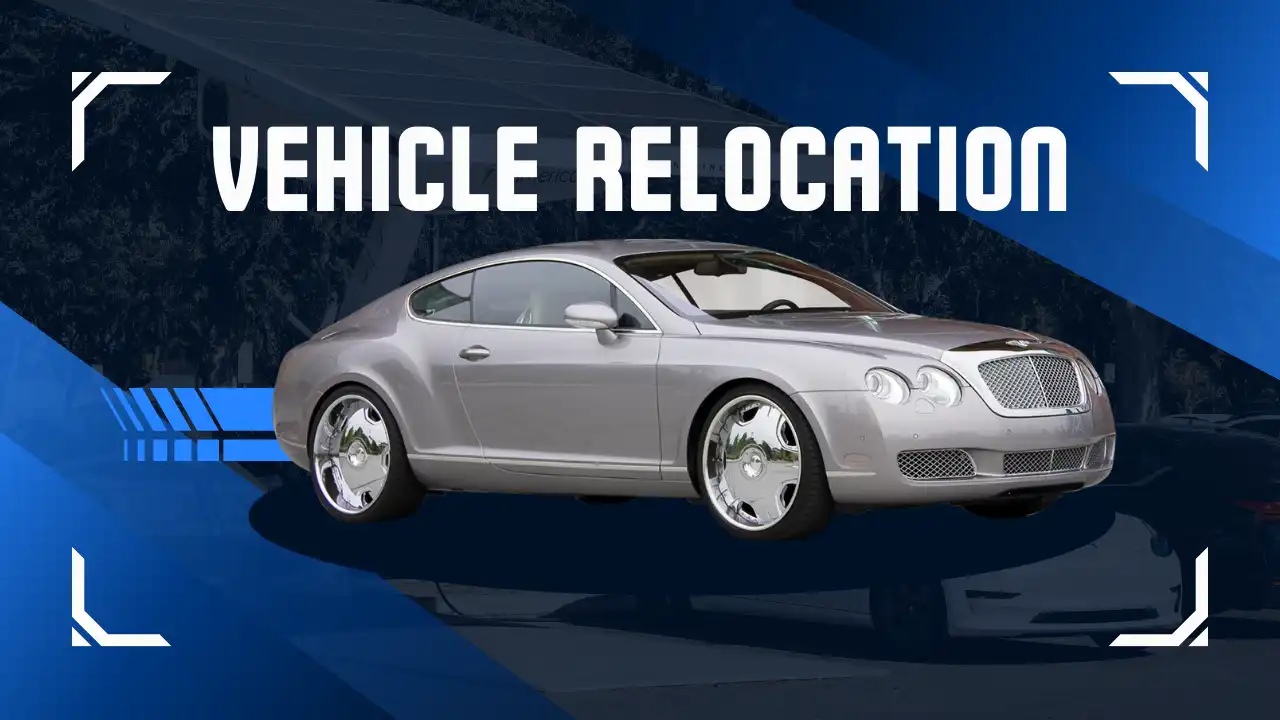
Vehicle relocation has become increasingly popular as people move for work, lifestyle changes, or to purchase vehicles from other regions. Advances in transportation services have made it easier for vehicle owners to rely on professional carriers rather than driving long distances themselves. Beyond convenience, relocation services help minimize wear and tear, reduce mileage, and ensure vehicles arrive in optimal condition. This trend has created a range of options for individuals seeking tailored transport solutions.
For example, if you need to transport vehicles Utah, specialized providers can offer services that handle local regulations, terrain considerations, and timing constraints, ensuring a seamless relocation.
Factors That Influence Vehicle Relocation Choices
When considering vehicle relocation, several key factors influence how the process is approached. One important consideration is the type of vehicle being transported. Motorcycles, classic cars, and oversized vehicles often require specialized carriers or handling techniques, while standard sedans and SUVs have more flexible options.
Another critical factor is the urgency of the move. Expedited transport services cater to clients who need their vehicles delivered within a tight timeframe, whereas flexible schedules allow carriers to optimize routes and reduce costs. Additionally, understanding regional conditions, such as seasonal weather patterns or construction, can impact both safety and delivery times.
Innovative Transport Solutions
Modern vehicle relocation has evolved to offer creative solutions beyond traditional truck hauling. For example, multi-modal transport combines rail and truck services, which can be more eco-friendly and cost-efficient for longer distances. Some providers also offer enclosed, climate-controlled carriers to protect high-value or sensitive vehicles from environmental risks like extreme heat, snow, or dust.
Technology plays a growing role as well. GPS tracking and real-time updates allow owners to monitor their vehicles throughout the journey, giving peace of mind and reducing uncertainty. Digital scheduling tools also streamline the booking process, allowing clients to plan pickup and delivery windows with minimal hassle.
Safety Measures and Liability Considerations
Safety is paramount in vehicle relocation. Professionals use advanced securing techniques, including wheel straps, soft tie-downs, and lift gates, to prevent shifting or damage during transport. Additionally, carriers provide insurance coverage to protect against unforeseen events such as accidents or natural hazards. Understanding the scope of liability coverage beforehand helps ensure your vehicle is protected throughout the journey.
Vehicle owners can further enhance safety by performing routine maintenance before transport. Checking brakes, fluid levels, and tire condition reduces the risk of mechanical issues while on the carrier.
Cost and Planning Strategies
Vehicle relocation costs are influenced by multiple factors, including distance, vehicle size, service type, and delivery timing. Planning ahead can often result in savings by allowing providers to schedule transport during off-peak periods or optimize routes. Bundling multiple vehicles for transport or selecting terminal-to-terminal pickup options can also reduce expenses.
It’s important to compare quotes from several relocation providers and verify what services are included. Some carriers offer additional perks, like storage options or assistance with vehicle documentation, which can simplify the relocation process and prevent last-minute surprises.
Preparing for Delivery
Preparing your vehicle for relocation involves more than cleaning or removing personal items. Owners should ensure the vehicle is in good mechanical condition, disable alarms, and provide any specific instructions for handling. Documenting the vehicle’s current condition with photos is a practical precaution for insurance purposes.
On delivery day, coordinating a smooth handoff with the carrier helps ensure the process is efficient. Most providers perform a final inspection upon arrival to confirm the vehicle’s condition, offering reassurance that the relocation has been completed successfully.
Final Thoughts
Vehicle relocation is no longer just a convenience; it’s a strategic solution for anyone moving vehicles safely and efficiently. By understanding the types of services available, evaluating safety and cost considerations, and preparing the vehicle properly, owners can ensure a smooth relocation experience. Whether relocating locally, across the state, or to destinations like Utah, planning and professional support make all the difference in achieving a seamless and worry-free move.
