Quick answer: Online teachers can borrow four habits from good classroom teachers: keep classes interactive, run debates and discussions, explain the study material instead of only sharing it, and design the course so students always know what comes next. Add clear deadlines, regular live doubt-clearing and a warm, personal tone, and an online class can feel like a real classroom.

Why online teachers should learn from offline teaching
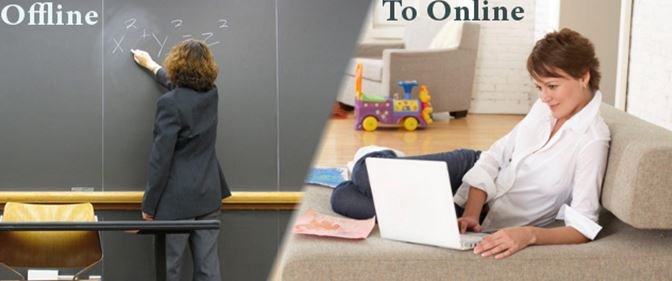
The move from traditional classrooms to online teaching has real benefits for students. With the advancement of technology (see our guide to technological tools for science classrooms), learners can get study material instantly and watch tutorials and videos that help them understand a topic better. But teachers also need training in how to handle students online, because there is no physical meeting, and students are easily distracted.
Teaching online is a little like gardening: the teacher has to create a healthy environment in which more students take part. Study material has to be designed to hold attention through the session. Online teaching has not replaced face-to-face learning, and most schools and colleges now mix the two. Online teachers do best when they bring proven classroom methods into the online mode.
Online teaching is now common for competitive exams too, such as the bank recruitment exams run by the Institute of Banking Personnel Selection (IBPS) and the Civil Services Examination conducted by the Union Public Service Commission (UPSC), through which officers of the Indian Administrative Service (IAS) and other services are recruited. An earlier version of this article listed “IAS” and “UPSC” as separate exams; IAS is one of the services filled through the UPSC Civil Services Examination. Online classes let these teachers reach learners across the country and beyond.
How to bring classroom methods into online teaching
1. Make classes interactive
Interaction is the heart of teaching, online or offline. In a classroom it happens naturally; online, it has to be planned, or students will not clear their doubts. Make yourself approachable: ask questions every few minutes, use polls and the chat box, invite students to unmute, and keep time for questions at the end of each session. Plenty of chances to talk help students understand the curriculum better.
2. Conduct debates and discussions
Classroom teachers use debates and group discussions to get students thinking, and online teachers can do the same. Live video sessions with discussion rounds, breakout groups and student presentations keep attention and get more students commenting on the topic. Competitive-exam coaching uses the same idea in online doubt-clearing classes, where students bring questions on a topic and work through them together.
3. Explain the study material, do not just share it
In a classroom, every chapter is explained in detail. Online, it is tempting to upload notes and PDFs and stop there. Instead, walk students through the material: explain the key ideas, solve examples live, and show how the notes connect to assignments and tests. This helps students understand and evaluate themselves.
4. Design the curriculum so students are never lost
To keep attention through an online course, the course itself has to be well designed. Share the full plan on the first day: the topics, the schedule, the assignments and how students will be assessed. Break long lessons into shorter sections, mix live teaching with short activities, and make sure every student knows what is due and when. Student participation in this planning helps them follow the curriculum.
Additional lessons for online teachers
Give extra attention to practical subjects. Subjects that need demonstrations, such as science practicals, art or programming, need more of the mentoring a classroom gives. Online teachers should be available for live demonstrations, share recordings, and set short hands-on tasks that students can do at home.
Keep firm, fair deadlines. Students learning online often appreciate a relaxed late-submission policy, but for their own progress teachers should set clear deadlines, as in offline classes. Offer alternative assignments mainly to students who genuinely missed the original one, and publish the rules in advance so everyone is treated the same.
Use classroom methods with younger and distance learners. Offline teaching methods work especially well when online teachers adopt them for primary school students and distance-education students, who need more structure and encouragement.
Use the strengths of online learning for exam preparation. For students preparing for competitive exams such as UPSC and banking exams, online classes are well suited: they offer a wide choice of courses and plenty of practice tests. Combine these with live interaction so students do not study in isolation.
Plan for weak connections. Not every student has fast internet. Record sessions, share slides and notes in advance, and keep a low-bandwidth option, such as audio with slides, so nobody falls behind.
Creating a healthy online classroom environment
A healthy classroom environment and good relationships among students help offline, and teachers should build the same online. Teachers and administrators should be reachable, so students can get help when they need it.
Above all, online teachers should notice every student and value each one equally, so that the class does not feel like a faceless video. The same applies when teaching students for competitive exams such as banking and UPSC: the sessions should still be engaging.
One simple technique is to call students by their names to show they are valued. Invite answers, even wrong ones, and treat mistakes as chances to learn. For tools that help, see our guides to web conferencing software and EdTech tools for homeschooling families, and read how classrooms are becoming dynamic with technology.
Frequently asked questions
How can online teachers keep students engaged?
Ask questions often, use polls, chat and breakout discussions, call students by name, and break long lessons into short sections with activities in between.
Should online classes accept late assignments?
Clear, published deadlines work best, as in classroom teaching. Allow exceptions or alternative assignments for students who genuinely missed the work, and apply the rules consistently.
Is online teaching good for competitive exam preparation?
Yes, it suits exams such as banking and UPSC because students get a wide choice of courses and practice tests. It works best when combined with live doubt-clearing sessions.
How can teachers help students with poor internet connections?
Record sessions, share notes and slides in advance, and offer a low-bandwidth option such as audio with slides.
This article was reviewed and updated in October 2026.