Quick answer: Before you buy a gift card, check five things: whether it is a promotional card with a short validity, whether a single-brand (closed-loop) or network-branded (open-loop) card suits the recipient, whether a genuine discount is coming soon, whether the seller is official, and whether the brand is stable enough to honour it. In India, gift cards issued by banks and other RBI-authorised companies are capped at ₹10,000, cannot be reloaded and must stay valid for at least a year. And remember: anyone who asks you to pay them with a gift card is a scammer.
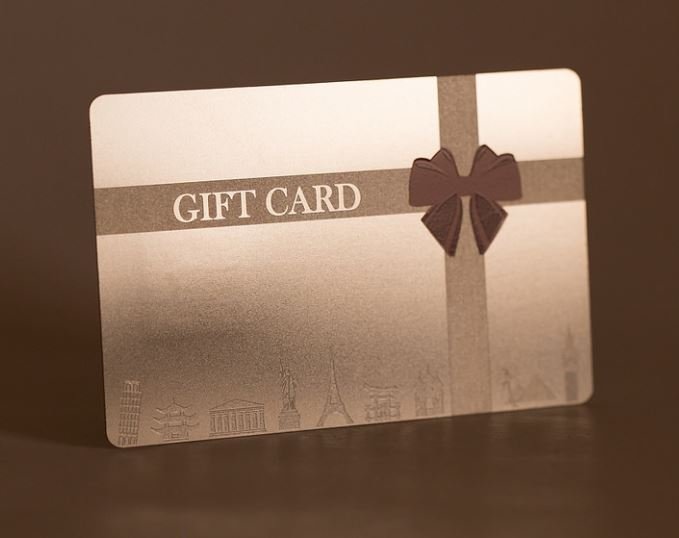
Gift cards have become one of the most common ways to send a present, especially when you live far from the recipient or are not sure what they would like. With the advancement of technology, most are now digital: bought online and delivered by email or SMS in minutes. They work differently from the traditional gifts people exchanged before the internet, because the recipient chooses the product.
As the gift card business has grown, so has fraud built around it. Here are five things to know before you buy one, followed by the rules that protect you in India and the US.
1. When to take promotional gift cards, and when to let them go
Brands often run promotions that hand out a free or bonus gift card, for example “spend ₹2,000 and get a ₹200 voucher”. These can be good value, but read the conditions before you count on one:
- Promotional vouchers and bonus cards often have short validity periods, minimum spend rules or category restrictions.
- In the US, federal gift card rules specifically exclude loyalty, award and promotional cards from the five-year minimum validity that applies to ordinary gift cards.
- If you plan to pass a promotional card on as a gift, check that it is transferable and that it will not expire before the recipient can use it. A card that runs out a week after it arrives is more annoying than generous.
2. Choose between closed-loop and open-loop cards
This choice decides where the card can be spent.
- Closed-loop cards can be used only with the brand that issued them, or its group, for example a single retailer’s or an app store’s gift card. They suit someone whose favourite brand you know.
- Open-loop cards carry a payment network’s logo, such as Visa, Mastercard or RuPay, and can be used wherever that network is accepted. They give the recipient more freedom.
An earlier version of this article said closed-loop cards come “a little cheaper” because the brand keeps your money, and that open-loop cards are “merchant based”. Neither was accurate, so we have corrected it. Open-loop cards may come with a purchase fee or other charges, so read the issuer’s fee schedule before you buy one. In India, a card that a company issues only for buying its own goods and services is a “closed system” prepaid instrument. The Reserve Bank of India (RBI) does not regulate or supervise these, so you rely on the brand’s own terms. Gift cards issued by banks and RBI-authorised companies follow RBI rules (see below).
3. Watch out for genuine deals and discounts
Everyone likes a discount. If you know a gift card offer is coming, such as a bank or wallet cashback during a festival sale or a brand’s anniversary promotion, it can be worth waiting. Over time, these savings add up.

Look for offers on the brand’s own website or app, or your bank’s offers page, rather than on unfamiliar deal sites. The original version of this article pointed readers to two deal sites; one of them no longer exists, so we have removed both names.
4. Watch out for fraudsters
Fraud around gift cards takes two main forms, and both are common.
Scams that ask you to pay with gift cards
The US Federal Trade Commission (FTC) is blunt: no real business or government agency will ever ask you to buy a gift card to pay them. Callers who claim to be from a bank, the tax office, the police, a utility company or a relative in trouble, and who ask for gift card codes, are scammers. Once you share the card number and PIN, the money is usually gone.
Fake or tampered cards
- Buy only from the brand’s official website or app, your bank, or stores you know. The FTC warns that cards on online auction sites may be fake or stolen.
- For physical cards, check that the packaging and the protective sticker over the PIN have not been tampered with.
- Keep the receipt and a photo of the card, so that you have the card number if you need to report a problem.
- If a deal looks too good to be true, check it with the brand directly before you pay.
If you have been tricked, contact the gift card company immediately and ask whether the funds can be frozen or refunded. In India, report cyber fraud on cybercrime.gov.in or call the 1930 helpline. In the US, report it at ReportFraud.ftc.gov.
5. Bigger is better: check the brand will last
What if the brand behind your gift card shuts down a month after you buy it, or the shop where it can be used closes? The original advice still holds: do a basic background check on the brand before you buy, and prefer well-established names. That does not mean every newer brand is a fraud. It means a gift card is only worth something while the issuer is in business, so do not load large amounts onto a card from a company you know little about.
Gift card rules that protect you
In India (RBI-regulated gift cards)
Under the RBI’s rules on prepaid payment instruments (PPIs), as summarised in its FAQs:
- each gift instrument can hold at most ₹10,000;
- gift cards are not reloadable, and cash withdrawal or fund transfer is not allowed;
- all PPIs must be valid for at least one year from the date of last loading, and the issuer must state the expiry period when the card is issued; and
- gift instruments must be revalidated, which can include issuing a new card, when the holder asks.
These rules cover cards issued by banks and RBI-authorised companies, not a brand’s own closed-system store cards.
In the US
Under the federal rules enforced by the Consumer Financial Protection Bureau (CFPB), gift card funds generally cannot expire within five years of when the card was issued or last loaded. Inactivity fees can be charged only after 12 months without use, and no more than one such fee a month. State laws may give more protection. Promotional and loyalty cards are excluded, as noted above.
If you are buying gift cards as part of online shopping events, our guide to Amazon’s Prime-only deal events may help, and our article on the advantages of using coupon codes covers other ways to save.
Frequently asked questions
What is the maximum value of a gift card in India?
₹10,000 for gift cards issued by banks and RBI-authorised companies, according to the RBI. A brand’s own closed-system store card is not covered by this limit.
Do gift cards expire in India?
RBI-regulated gift cards must be valid for at least one year from the date of last loading, and the issuer must tell you the expiry date. You can ask the issuer to revalidate a gift card.
Is it safe to buy discounted gift cards online?
Only from the brand itself, your bank or well-known sellers. Cards resold on auction or classified sites may be fake, stolen or already used.
Someone asked me to pay a fine with gift cards. What should I do?
Do not pay. It is a scam. Hang up, and if you have already shared card details, contact the card company at once and report the fraud (cybercrime.gov.in or 1930 in India).
Checked in October 2026 against the RBI’s FAQs on prepaid payment instruments, the CFPB’s gift card regulation and the FTC’s guidance on gift card scams. Rules change, so check the card issuer’s terms before you buy.