Quick answer: Weight-loss protein shakes are not recommended during pregnancy. Health bodies such as the UK’s National Health Service (NHS) say pregnancy is not the time to diet, even if you were overweight before, because cutting calories can harm the baby’s growth. The World Health Organization (WHO) also advises against high-protein supplements in pregnancy. Most women can meet their protein needs from ordinary food. If you are considering any shake or supplement, ask your doctor or midwife first.
Children are the lights of our lives. Before a baby arrives, he or she spends around nine months growing in the womb, and the mother’s diet during that time feeds two bodies.
This is general information, not medical advice. Every pregnancy is different, so follow the advice of your own doctor, midwife or dietitian.
Can you use protein shakes for weight loss while pregnant?

Pregnancy brings many changes: more hunger, a need for extra nutrients, nausea, weight gain and other discomforts. It is natural to worry about putting on too much weight. But trying to lose weight while pregnant is not advised.
- The NHS says pregnancy “isn’t the time to go on a diet, as it may harm the health of the unborn child”.
- If your BMI is 30 or above: the NHS advises women in this group not to try to lose weight during pregnancy, because it “will not reduce the chance of complications and may not be safe”. Instead, they should be offered a referral to a dietitian.
- Too little weight gain can contribute to premature birth and low birth weight, according to the NHS.
Weight-loss shakes are usually designed to replace meals and cut total calories. That is the opposite of what a growing baby needs, so they should not be used for weight loss during pregnancy.
Pregnancy is impossible without gaining weight
Every pregnancy involves weight gain. That does not mean the extra weight is “excess”. It comes from the baby, the placenta, amniotic fluid, extra blood and fluid, larger breasts and uterus, and fat stores that help with breastfeeding. A balanced diet supports both mother and baby.
Doctors usually guide weight gain by your body mass index (BMI) before pregnancy. The ranges below are the Institute of Medicine (IOM) guidelines used by the US Centers for Disease Control and Prevention (CDC) for a single baby:
| BMI before pregnancy | Recommended total weight gain |
|---|---|
| Underweight (below 18.5) | 12.5 to 18 kg (28 to 40 lb) |
| Normal weight (18.5 to 24.9) | 11.5 to 16 kg (25 to 35 lb) |
| Overweight (25 to 29.9) | 7 to 11.5 kg (15 to 25 lb) |
| Obese (30 and above) | 5 to 9 kg (11 to 20 lb) |
The ranges are higher for twins. Your doctor may set a different target based on your health. According to the CDC, most women need no extra calories in the first trimester. They need about 340 extra calories a day in the second trimester and about 450 in the third. “Eating for two” does not mean eating twice as much.
Weight-loss products and protein shakes
Some people add diet products to their daily nutrition to manage their weight. These include weight-loss pills and meal-replacement or protein shakes such as Herbalife Formula 1. Most of these products are designed to be used as part of a calorie-controlled diet for adults who are not pregnant. Their ingredients and nutrient levels have generally not been tested for safety in pregnancy.
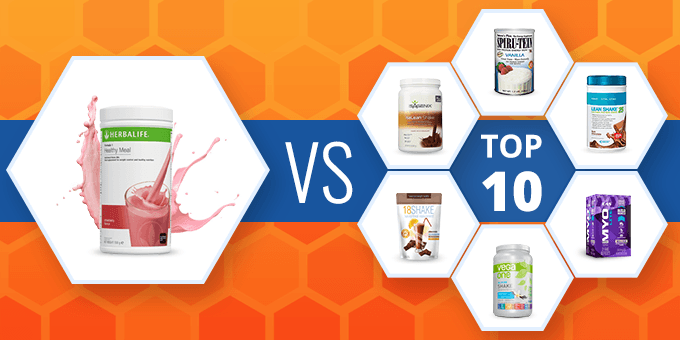
If you are already using a branded shake and have just found out you are pregnant, do not panic. Stop using it for weight loss and show the label to your doctor or midwife, who can tell you whether it is suitable at all.
Is dieting safe during pregnancy?
To answer this, separate two ideas: dieting and proper nutrition.
- Dieting means cutting calories and cutting out certain foods to lose weight. A mother who tries to shed weight while carrying a baby risks harming both herself and the baby.
- Proper nutrition means avoiding unhealthy and unsafe foods while making sure both bodies get the nutrients they need. This is what doctors recommend.
Eating well during pregnancy usually means:
- meals built around vegetables, fruit, whole grains, pulses, dairy and protein foods;
- fewer sugary drinks, sweets and fried snacks;
- regular, gentle physical activity. The NHS says being active in pregnancy will not harm your baby and suggests walking or swimming. Check with your doctor before starting a new exercise plan if you were not active before.
Your doctor will usually also prescribe specific supplements, such as folic acid and iron, and often calcium. Take those as directed. They are very different from weight-loss products.

Protein shakes in pregnancy: yes or no?
There are two broad kinds of protein shake: ready-made (branded powders and drinks) and homemade. The ready-made kind raises more concerns.
Ready-made protein shakes and powders
Any product is only as good as its ingredients. Some manufacturers add components that may not be suitable during pregnancy. Check the label for:
- Caffeine and stimulants such as green tea extract, guarana or “fat burners”. The NHS advises a limit of 200 mg of caffeine a day from all sources.
- Herbal ingredients, which have rarely been tested in pregnancy.
- High doses of added vitamins, especially vitamin A (retinol). Too much vitamin A can harm a developing baby, which is why the NHS advises pregnant women to avoid liver.
- Very high protein content. In its 2016 antenatal care recommendations, the WHO advises against high-protein supplements for pregnant women. A Cochrane review found one trial linking high-protein supplements to a higher risk of babies being born small for their gestational age.
Some products are simply nutritious drinks. If you want to use one, ask your doctor or a dietitian to check that particular product first. The WHO does recommend balanced energy and protein supplements, which provide both calories and protein, in populations where many pregnant women are undernourished.
Homemade shakes and smoothies
Homemade shakes are different, because you choose exactly what goes in. A milk- or curd-based shake with fruit and a few nuts can be a useful snack, particularly if nausea makes full meals hard. Keep it safe:
- Use pasteurised milk, curd or yoghurt. The NHS advises avoiding unpasteurised dairy in pregnancy.
- Do not add raw eggs.
- Wash fruit well.
- Go easy on added sugar, honey and chocolate. Chocolate and cocoa also contain caffeine.
- Leave out herbal powders unless your doctor has approved them.
For ideas, see our guide to natural ingredients for homemade shakes. Note that it was not written for pregnancy, so use shakes as a snack alongside meals, never as a meal replacement.
Most women can get enough protein from food. Good sources include dal and other pulses, milk, curd, paneer, eggs, soy, nuts, seeds, fish and meat. US dietary reference values put protein needs in pregnancy at about 71 g a day. For more on nutrients, see our guide to key vitamins and minerals. Avoid “detox” and cleansing products too; our article on detox tablets explains why they are not needed.
When to talk to your doctor
Contact your doctor or midwife if:
- you are gaining weight much faster or slower than expected;
- you have sudden swelling of the face, hands or feet, a severe headache or problems with your vision. These can be signs of pre-eclampsia and need urgent care.
- you cannot keep food or fluids down;
- you are thinking of taking any supplement, protein powder or herbal product;
- you are worried about your weight or your eating.
The health of mother and child is what matters most, so keep any decision about shakes and supplements between you and your doctor.
Frequently asked questions
Can I drink a protein shake while pregnant?
A simple homemade shake with pasteurised milk and fruit is generally fine as a snack. For branded protein powders and meal-replacement shakes, check with your doctor first. Many are designed for weight loss and have not been tested in pregnancy.
Is it safe to lose weight during pregnancy if I am overweight?
The NHS advises against trying to lose weight during pregnancy, even with a BMI of 30 or above. Your doctor may advise gaining less than usual, and a dietitian can help you eat well.
Can I replace a meal with a shake to control weight gain?
This is not recommended. Meal replacements cut calories and may not give you or your baby the full range of nutrients you need. Eat regular balanced meals instead.
When can I start losing weight?
After the baby is born. Ask your doctor when it is safe to start exercising and gradually return to a healthy weight, especially if you are breastfeeding.
How much protein do I need while pregnant?
Needs rise mainly in the second and third trimesters. US dietary reference values put the figure at about 71 g a day. Indian values from the Indian Council of Medical Research’s National Institute of Nutrition (ICMR-NIN) also add protein in the later trimesters. Your doctor or dietitian can advise you based on your weight and diet.
This guide was checked in October 2026 against NHS pregnancy guidance on weight gain, overweight and foods to avoid, the CDC’s weight-gain recommendations, and WHO’s 2016 antenatal care recommendations on protein supplements. It is general information, not a substitute for your own antenatal care.