Quick answer: To write a good research paper, choose a focused topic with a real question, read widely in scholarly sources, build an outline (introduction, literature review, methods, results, discussion, conclusion), write in one citation style throughout, and leave time to revise and proofread. Use your supervisor, library and writing centre for expert help, and make sure every word you submit is your own.
Research papers are among the most important assignments in school and university, and learning how to write a research paper well pays off throughout your studies and career. Much of what you need to know is not taught in detail in class, so it helps to learn from people who write and review research for a living.
How to write a research paper: tips and tricks
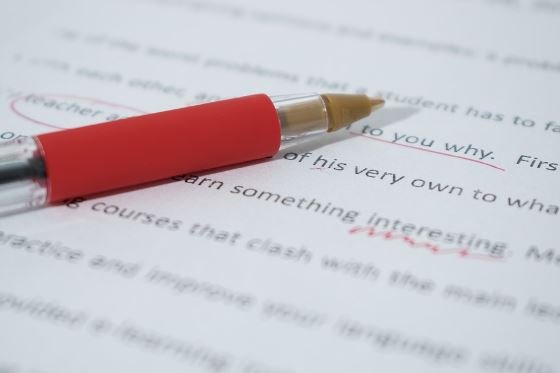
Experienced researchers have the skills to produce high-quality papers, and many paid services, such as sites offering homework assignments online, advertise those skills. Remember, though, that a paper you submit must be your own work: buying one breaks academic integrity rules. The tips below, drawn from standard university writing-centre advice, help you do it yourself.
Writing a research paper is a step-by-step process that runs from choosing the topic to writing the conclusion.
1. Choose and research your topic
Start by identifying a good research topic. It should not simply repeat what has already been studied many times. Look for a gap in your area of study: a question that has not been fully answered, a new context or a different method. Your topic should let you add some value, however small, to what is already known. Narrow it to a question you can actually answer with the time and sources you have.
2. Read widely
Write from an informed point of view. Before drafting, study the background thoroughly and find out what others have already done. Use scholarly sources: peer-reviewed journals, academic books and official data, found through your library’s databases or Google Scholar. Assess what each source contributes and where they disagree. University writing centres publish helpful research paper tips that you can apply.
Keep careful notes of every source as you read, including page numbers, so that citing them later is easy.
3. Draw up an outline
List the sections of your paper in order so that it flows from introduction to conclusion. A typical structure is:
- Introduction and background: the topic, why it matters and your research question or aim.
- Literature review: what earlier studies found, and the gap your paper addresses.
- Methodology: how you collected and analysed your data.
- Results: what you found.
- Discussion: what the findings mean and their limitations.
- Summary and conclusion: the main takeaways and suggestions for further research.
Our guide to creating a blueprint for your paper explains outlining in more detail.
4. Use one standard citation style
Research papers follow established styles such as APA, MLA, Chicago and Harvard. Writing services such as WriteMyPaper123.com advertise expertise in these styles, but your professor or journal decides which one you must use. At the time of checking, the current editions were APA 7th edition, MLA 9th edition and the Chicago Manual of Style 18th edition (2024); Harvard style has no single official manual, so follow your institution’s version.
Use one style consistently, especially on the title page and in references. Cite every source you use, in the text and in the reference list, in the format your style requires. Reference managers such as Zotero or Mendeley can format citations for you.
5. Learn from experts
Classroom teaching on research writing is often brief, so seek out people who know the field. Your supervisor or teacher, subject librarians and your university’s writing centre can all advise on structure, sources and style. If you are writing a scientific research article, look for guidance from someone experienced in that discipline, as each field has its own conventions.
An earlier version of this article claimed that professors provide only “25%” of what students need to know; that figure had no source and has been removed.
6. Study sample papers
Before you write, read a few good published papers in your field, or model papers your teacher shares. Notice how the authors frame the question, organise the literature review and present results. This shows you what the finished product should look like far better than any description. An earlier version of this article suggested asking a paid writer for a sample paper; using published examples is free and avoids any integrity problem.
7. Edit and proofread

A research paper is not finished until it has been edited and proofread. Fix the big things first (argument, structure, missing evidence), then the sentences, then spelling, grammar and formatting.
It is hard to spot mistakes in your own writing because you read what you meant to write. Leave the draft for a day, read it aloud, and ask a classmate, mentor or writing-centre tutor to read it too. Feedback on your own draft is usually allowed; having someone rewrite it for you is not. Our guide to reviewing an academic paper has a revision checklist.
8. Check originality and integrity
Run your final draft through your institution’s similarity checker if one is available, and make sure every quotation and paraphrase is cited. If your institution allows AI tools, follow its rules on how they may be used and disclosed, and verify every fact and reference yourself.
The bottom line
Writing a research paper needs a clear approach. Everything in the paper should serve its aim and objectives. Plan everything before you start writing so the paper flows, and research deeply enough that you do not get stuck halfway. For more general advice, see our writing tips for a good article.
Frequently asked questions
What are the main parts of a research paper?
Usually an introduction, literature review, methodology, results, discussion and conclusion, followed by references. Some fields add an abstract at the start and appendices at the end.
Which citation style should I use?
The one your teacher, department or target journal specifies. APA is common in social sciences, MLA in humanities and Chicago in history, but always follow the instructions you are given.
How long does it take to write a research paper?
It depends on the length and level. Start early and schedule separate time for research, writing and revision, rather than trying to do everything in the last week.
Can I pay a professional to write my research paper?
Submitting a paper someone else wrote as your own is academic misconduct and can lead to failing the course or worse. Paying for permitted help, such as tutoring or proofreading of your own draft, is different; check your institution’s rules.
This guide was checked in October 2026 against university writing-centre guidance and the publishers’ current editions of the APA, MLA and Chicago style manuals.