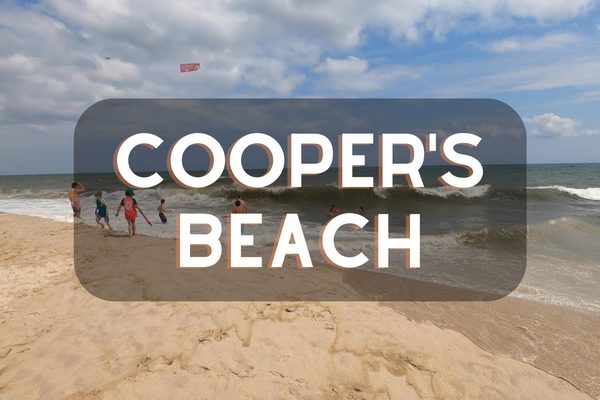
Quick answer: Cooper’s Beach (often written Coopers Beach) is the Village of Southampton’s ocean beach on Meadow Lane, on the South Fork of Long Island in New York. It is a wide, white-sand Atlantic beach backed by dunes and oceanfront mansions, with lifeguards in summer, and it was named the best beach in the United States by “Dr. Beach” in 2010 and again in 2025. Parking is paid and expensive for non-residents in summer, so check the village’s current rates before you go.
Cooper’s Beach at a glance
| Detail | Information |
|---|---|
| Location | Meadow Lane, Village of Southampton, Long Island, New York |
| Run by | Village of Southampton |
| Known for | Wide white sand, dunes, mansion views, Atlantic surf |
| Awards | Dr. Beach’s No. 1 US beach in 2010 and 2025 |
| Parking | Paid in season; village permits or day passes (Southampton Town permits are not valid here) |
| Best time to visit | Summer for swimming; spring and autumn for quiet walks |
What to expect at Cooper’s Beach
Cooper’s Beach sits on the southern shore of Long Island, near the historic village of Southampton in the Hamptons, and is a popular escape for New Yorkers in summer. The beach is wide and sandy, backed by dunes covered in beach grass, with large oceanfront homes along Meadow Lane in the background. Those views are part of the beach’s appeal.
In summer, lifeguards are on duty, which makes it a good choice for families. Smaller waves near the shore suit children playing in the shallows, while bigger swells roll in on some days for bodyboarders and surfers. Always swim in front of the lifeguard stands and follow their flags, as rip currents can occur on Atlantic beaches. The beach has a snack bar, showers and restrooms in season, and chairs and umbrellas can usually be rented. On busy summer weekends, walk a little further along the sand for more space.
Cooper’s Beach is also worth visiting outside the summer. A walk in spring, autumn or even winter brings quiet sand, sea birds and the sound of the surf without the crowds.
Gulls, shorebirds and the dune plants are part of the scenery, and in some seasons parts of Long Island’s beaches are fenced off for nesting shorebirds such as piping plovers. Keep out of roped-off areas.
Awards
Cooper’s Beach is a regular on the annual list compiled by Stephen Leatherman, the coastal scientist known as “Dr. Beach”. It took the top spot in 2010 and again in 2025, came second in 2024 and has ranked in his top five every year since 2017.
How to get to Cooper’s Beach
- By car: The beach is on Meadow Lane, a short drive from Southampton village. In summer, parking requires a Village of Southampton permit or a paid day pass, and arriving early on peak-season weekends is wise. Southampton Town beach permits are not valid at Cooper’s Beach, because it is a village beach. Daily and season rates change, so check the Village of Southampton’s official website or call Village Hall before you go.
- By bus or train: The Hampton Jitney coach and the Long Island Rail Road both serve Southampton from New York City. From the village, continue to the beach by taxi or bicycle.
- By bicycle: Renting a bike in the village and cycling to the beach avoids parking costs altogether.
An earlier version of this article said parking is free at sunset; we could not confirm the current parking hours, so check signs and the village website on the day.
Places to visit near Cooper’s Beach
Wölffer Estate Vineyard
Wölffer Estate Vineyard in Sagaponack offers a glimpse of country life in the Hamptons, with rows of vines, a tasting room and outdoor terraces. It is known especially for its rosé.

The estate was founded in the late 1980s by Christian Wölffer, a German-born businessman who had bought farmland in the area and added a vineyard and horse stables. He died in 2008, and the estate is now run by his children, Marc and Joey Wölffer, with long-time winemaker Roman Roth. Next door, the Wölffer Stables can board more than 80 horses and include an indoor riding barn, a jumping course and paddocks. Check the estate’s website for tasting-room hours and whether reservations are needed.
East Hampton Main Beach
Main Beach is the ocean beach of the Village of East Hampton, a few miles east of Southampton. East Hampton has long attracted wealthy and famous summer residents, and Main Beach, with its white sand, dunes and Atlantic views, is one of the village’s highlights. Piping plovers and other shorebirds nest in the dunes.
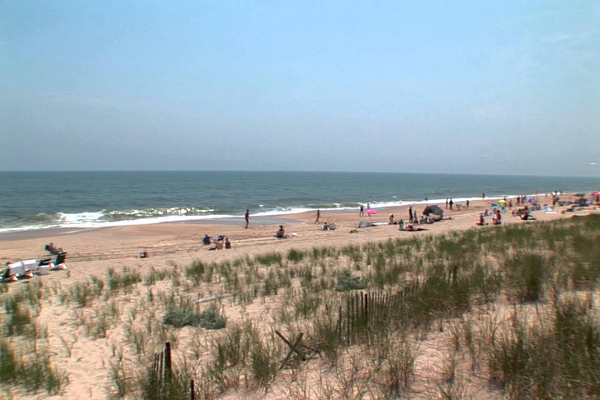
Lifeguards watch over swimmers in summer, and surfboards, kayaks and paddleboards can be rented from shops in the area. The beach is a short walk or cycle from the village, where you can stroll by Hook Pond, browse Main Street, or visit the Home Sweet Home Museum and Hook Mill, a historic windmill. (An earlier version of this article called East Hampton Main Beach “the easternmost town of Long Island and of New York State”. The Town of East Hampton, which includes Montauk, is the easternmost town; Main Beach is the beach of East Hampton village.)
Duck Walk Vineyards
Duck Walk Vineyards is one of the best-known names in Long Island wine. Its flagship winery is a Normandy-style chateau in Water Mill, close to Southampton, where visitors can taste wines such as its blueberry port and ask staff about the winemaking process.
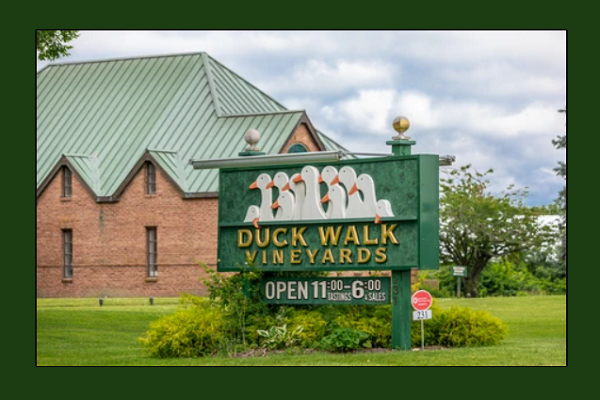
Dr. Herodotus “Dan” Damianos, who had helped pioneer Long Island winemaking from the late 1970s with Pindar Vineyards, founded Duck Walk in 1994 with his son Alexander. A second location, Duck Walk North, opened on the North Fork in 2007, and both are stops on Long Island’s wine trail. Dr. Damianos died in 2014, and the family continues to run the business. (An earlier version of this article gave production of 35,000 cases a year and an area of 140 acres; sources disagree on these figures, so they have been removed.)
Parrish Art Museum
The Parrish Art Museum in Water Mill focuses on American art, especially artists linked to Long Island’s East End. Its roots go back to 1898, when Samuel Longstreth Parrish, a Quaker lawyer, opened a museum for his collection of Italian Renaissance paintings and copies of classical sculpture.
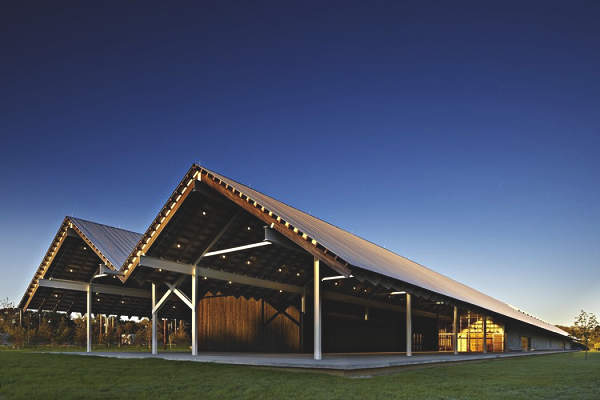
After Parrish died in 1932, the museum declined until the 1950s, when Rebecca Bolling Littlejohn led a revival and built up its American art. In 2012 it moved from Southampton village to a new building in Water Mill designed by the Swiss architects Herzog & de Meuron, set on a 14-acre site. The long, barn-like building was designed to suit its rural setting and to make the most of the famous “Hamptons light”. The collection of more than 3,500 works includes one of the largest public collections of work by William Merritt Chase and an important group of paintings by Fairfield Porter.
Looking for more beaches? See our guides to the best beaches in the USA, the best Rhode Island beaches further along the New England coast, and the best beaches in Maryland.
Frequently asked questions
Is Cooper’s Beach open to the public?
Yes. Anyone can visit, but parking in season requires a Village of Southampton permit or a paid day pass. Southampton Town permits are not valid there.
Are there lifeguards at Cooper’s Beach?
Yes, during the summer swimming season. Swim only in front of the lifeguard stands.
How do I get to Cooper’s Beach without a car?
Take the Hampton Jitney or the Long Island Rail Road to Southampton, then a taxi or bicycle to the beach on Meadow Lane.
Why is Cooper’s Beach famous?
For its wide, clean white sand, its views of Meadow Lane’s oceanfront mansions, and its repeated top rankings on Dr. Beach’s annual list, including first place in 2010 and 2025.
Details checked in October 2026 against Dr. Beach rankings reported in the press, Village of Southampton parking guidance reported in local media, and published records for Wölffer Estate, Duck Walk Vineyards and the Parrish Art Museum. Parking rates and seasonal hours change, so check the village website before you go.