Quick answer: Hazrat Nizamuddin Dargah is the shrine of the Sufi saint Nizamuddin Auliya (1238–1325) in Nizamuddin West, Delhi, close to Humayun’s Tomb. People of all faiths visit to pray and to hear qawwali, which is sung after the evening prayer and draws the biggest crowds on Thursdays. Entry is free; the dargah’s website gives its hours as 5 am to 10:30 pm daily, as of October 2026.
Nizamuddin Dargah at a glance
| Detail | Information |
|---|---|
| Location | Nizamuddin Basti, Nizamuddin West, near the Lodhi Road and Mathura Road junction, New Delhi |
| Dedicated to | Hazrat Nizamuddin Auliya, Sufi saint of the Chishti order |
| Timings | 5 am to 10:30 pm, daily (dargah website, October 2026) |
| Entry fee | Free |
| Qawwali | Every evening after the Maghrib (sunset) prayer; largest gathering on Thursdays |
| Nearest metro | Sarai Kale Khan–Nizamuddin (Pink Line), or Violet Line stations such as Jangpura and JLN Stadium, then a short auto-rickshaw ride |
| Time needed | One to two hours; longer if you stay for qawwali |
Who was Hazrat Nizamuddin Auliya?
Nizamuddin Auliya was one of the most revered Sufi saints of the Indian subcontinent. He was born in 1238 in Badayun, in present-day Uttar Pradesh, and came to Delhi as a child with his mother after his father’s death. At about twenty he became a disciple of the Sufi master Fariduddin Ganjshakar (Baba Farid) at Ajodhan, now Pakpattan in Pakistan, who later named him his successor.
Nizamuddin settled at Ghiyaspur, then a quiet village outside Delhi, and set up a khanqah (a Sufi lodge) where rich and poor alike were fed and taught. Like the earlier saints of the Chishti order, he stressed love of God expressed through love of humanity, care for the poor and distance from the royal court. His disciples included the poet and musician Amir Khusrau and the saint Nasiruddin Chiragh Dehlavi. He died on 3 April 1325.
History of the dargah
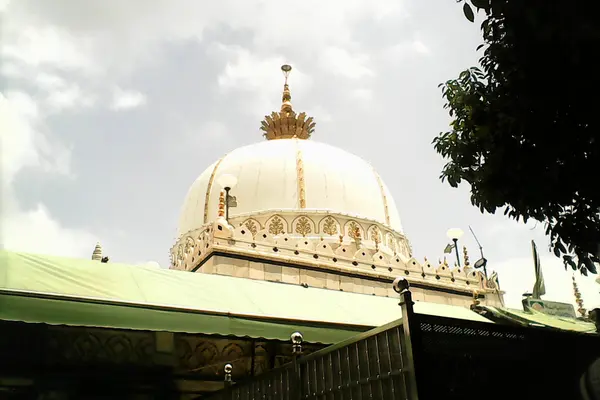
A tomb was built over the saint’s grave soon after his death; Sultan Muhammad bin Tughlaq is credited with the first structure. Firuz Shah Tughlaq later repaired it. The present white dome was built by Faridun Khan in 1562, and the shrine has had many additions since. The neighbourhood that grew around it, Nizamuddin Basti, is named after the saint.
The complex was renovated in about 2010 with the Aga Khan Trust for Culture. The dargah is a Delhi Waqf Board property and is looked after by the pirzadas, the hereditary custodians descended from those associated with the shrine.
What to see in the dargah complex
- The saint’s tomb: A square chamber under a white dome, surrounded by a marble courtyard and screened by carved marble jalis. A marble balustrade around the grave was a gift from Nawab Khurshid Jah of Hyderabad’s Paigah family.
- Amir Khusrau’s tomb: The poet, musician and devoted disciple of Nizamuddin is buried near the entrance to the complex.
- Jahanara Begum’s grave: Shah Jahan’s daughter Jahanara is buried here in a simple marble enclosure.
- Jamat Khana Masjid: Also called the Khilji Mosque, this red sandstone mosque next to the shrine was built in about 1312–13 by Khizr Khan, son of Sultan Alauddin Khalji, with later halls added under Muhammad bin Tughlaq.
- The baoli: A stepwell at the back of the complex, completed in 1321 in the saint’s lifetime. Many visitors believe its water has healing powers.
The Mughal emperor Muhammad Shah and the historian Ziauddin Barani are also buried in the complex, which has more than 70 graves. Several of its structures are protected by the Archaeological Survey of India.
An earlier version of this article said the complex holds the tomb of a “Mughal princess Inayat Khan”. That was an error, and it has been removed. It also dated the Jamat Khana Mosque to 1325; the mosque is older, from about 1312–13.
Qawwali, Urs and festivals
Qawwali, the devotional music of the Sufis, is at the heart of the dargah’s life. Hereditary qawwals sing in the courtyard every evening after the Maghrib prayer. Thursday evening is the most popular session and draws large crowds, so arrive early if you want a place to sit.
Each evening, lamps are lit in a ritual called Dua-e-Roshni, when the caretaker prays for the wishes of those gathered. The dargah also runs a daily langar (free community kitchen).
The biggest gatherings are the Urs, the anniversaries of the deaths of Nizamuddin Auliya and of Amir Khusrau, when the complex is lit up and pilgrims arrive from across the world. The saint’s Urs follows the Islamic calendar (around the 17th and 18th of Rabi al-Awwal), so its Gregorian date moves every year. The dargah also celebrates Basant Panchami with yellow flowers and songs, in memory of a story in which Amir Khusrau, dressed in yellow, made his grieving teacher smile.
Rules and etiquette
- Cover your head before entering; carry a scarf, dupatta or cap.
- Remove your shoes at the entrance; there are shoe-keeping stalls in the lane.
- By tradition, women do not enter the inner chamber of the saint’s tomb, but they can pray and look in through the marble screens outside it.
- Many visitors tie a thread on the jali when making a vow (mannat) and untie it when the wish is fulfilled.
- Do not take food inside the shrine. The lanes outside are full of eateries.
- Dress modestly and keep your phone silent during prayers and qawwali.
How to reach
- Metro: The dargah’s website names the Pink Line’s Hazrat Nizamuddin station, now called Sarai Kale Khan–Nizamuddin, as the nearest. Violet Line stations such as Jangpura and JLN Stadium are also a short auto-rickshaw ride away.
- Rail: Hazrat Nizamuddin railway station is nearby, a short taxi or auto-rickshaw ride away.
- Road: The dargah is in the lanes of Nizamuddin Basti, near the junction of Lodhi Road and Mathura Road. The lanes are narrow and crowded, so expect to walk the final stretch.
An earlier version of this article named Pragati Maidan and Indraprastha as the nearest metro stations and listed bus route numbers. Those details have been replaced with the closer stations above.
Nearby places
Humayun’s Tomb is just across Mathura Road. In the basti itself you can see the Chausath Khamba and the tomb of the poet Mirza Ghalib. A short drive away are Lodhi Gardens, Safdarjung’s Tomb and Purana Qila.
Frequently asked questions
What are the timings of Nizamuddin Dargah?
The dargah’s website lists 5 am to 10:30 pm, every day, as of October 2026. Timings can change on special occasions such as the Urs.
When is qawwali held at Nizamuddin Dargah?
Qawwali is sung every evening after the Maghrib (sunset) prayer. Thursday evening is the most popular session, so it is the busiest.
Is there an entry fee for Nizamuddin Dargah?
No. Entry is free and open to people of all faiths.
Can women visit Nizamuddin Dargah?
Yes. Women can visit the complex and pray, but by tradition they do not enter the inner chamber of the saint’s tomb.
Who is buried at Nizamuddin Dargah besides the saint?
The complex includes the tomb of Amir Khusrau and the graves of Jahanara Begum (Shah Jahan’s daughter), the Mughal emperor Muhammad Shah and the historian Ziauddin Barani, among others.
Details checked in October 2026 against the dargah’s website, published histories of Nizamuddin Auliya and the dargah complex, and Delhi Tourism’s description of the shrine. Timings change on festivals, so check before you visit.