Quick answer: Elephanta Island, also called Gharapuri, is a small island in Mumbai Harbour about an hour by ferry from the Gateway of India, and it is home to the UNESCO-listed Elephanta Caves. Plan it as a half-day or day trip on any day except Monday, when the caves are closed. As of October 2026, the Archaeological Survey of India (ASI) lists cave hours as 9 am to 5 pm; ferry times and fares are set by the boat operators, so confirm them at the Gateway before you travel.
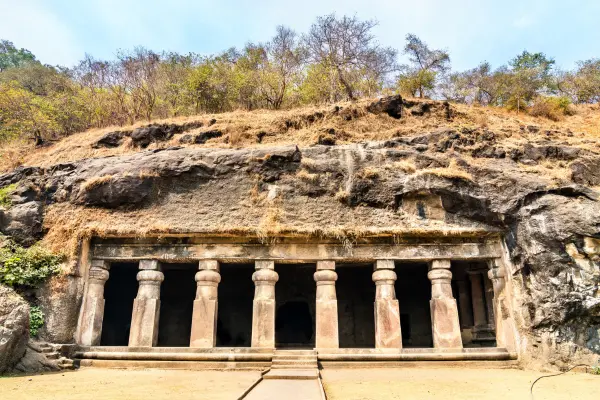
Elephanta Island at a glance
| Detail | What to know |
|---|---|
| Where | Mumbai Harbour, about 10 km east of the Gateway of India; part of Raigad district |
| Main sight | Elephanta Caves (UNESCO World Heritage Site, 1987) |
| Cave timings | 9 am to 5 pm (ASI, October 2026) |
| Closed on | Monday |
| Getting there | Ferry from the Gateway of India, about an hour each way |
| Best time to visit | October to March |
| Time needed | About 2 to 3 hours on the island, plus 2 hours of ferry travel |
About Elephanta Island
Elephanta Island covers roughly 10 square kilometres at high tide and about 16 at low tide. Its old name, Gharapuri, is usually translated as “city of caves”. The Portuguese, who controlled the island in the 16th century, renamed it Elephanta after a large stone elephant they found near the landing point. That elephant now stands in the Jijamata Udyan in Byculla, on the mainland.
The island is not just a monument. About 1,200 people live in three villages: Shetbandar (also spelled Set Bunder or Shentbandar), the first village most visitors pass; Morabandar, which is heavily forested; and Rajbandar, the main village. Residents mostly farm rice, fish and repair boats.
The island has two wooded hills. The western hill, sometimes called Cannon Hill, holds the main Hindu caves; the eastern hill, Stupa Hill, holds two Buddhist caves and the remains of a stupa. For the history and sculpture of the caves themselves, see our detailed guide to the Elephanta Caves.
How to get to Elephanta Island
The ferry from the Gateway of India
- Get to the Gateway of India in Colaba, South Mumbai. The nearest suburban stations are Churchgate and Chhatrapati Shivaji Maharaj Terminus (CSMT); from either, take a taxi to the Gateway.
- Buy a return ferry ticket at the booths near the Gateway jetties. Fares depend on the type of boat. Check the current fare and the time of the last return boat when you buy.
- Cross to the island. The crossing takes about an hour each way through the busy harbour.
- Walk or ride from the jetty. A small tourist toy train runs about 600 metres from the jetty area to the foot of the hill. You can also walk.
- Climb to the caves. About 120 steps lead up to the cave entrance, lined with souvenir and snack stalls. Buy the ASI entry ticket at the ASI counter on the way up.
The first ferries usually leave the Gateway in the morning and the last return boats leave the island in the late afternoon. Exact times change with the season and the weather, so ask at the ticket booth. Ferries can be suspended at short notice in rough seas, particularly during the monsoon (roughly June to September).
Ferry safety
On 18 December 2024 a passenger ferry heading to Elephanta, the Neelkamal, sank after an Indian Navy speedboat on engine trials collided with it in Mumbai Harbour. More than a dozen people died. Wear the life jacket provided for the whole crossing, avoid boats that look overcrowded, and follow the crew’s instructions.
Entry fees on the island
According to the ASI’s Elephanta Caves page (October 2026), foreign visitors pay ₹600 (₹550 online), citizens of SAARC and BIMSTEC countries pay ₹40 (₹35 online), and children under 15 enter free. The page did not clearly show the Indian-citizen rate, so check the ASI’s online ticketing site or the counter. The ferry fare and the toy train are paid separately.
An earlier version of this article listed a ₹10 village charge, a ₹25 video camera fee and specific ferry fares. We could not confirm these with an official source in October 2026, so they have been removed.
Suggested half-day plan
- Take one of the earliest ferries from the Gateway to beat the heat and crowds.
- Head straight up to Cave 1, the Great Cave, and spend most of your time there, with the giant three-headed Shiva sculpture and the large relief panels.
- Look at Caves 2 to 5 nearby, then visit the small site museum near the ticket counter.
- If you have energy, walk up Cannon Hill for the old cannons and harbour views, or cross to Stupa Hill for the Buddhist caves.
- Have a snack at the stalls on the way down and catch a return ferry with time to spare.
Allow about two to three hours on the island. On weekends and holidays, add time for queues at both jetties.
Best time to visit
October to March is the most comfortable time, with lower humidity and calmer seas. April and May are hot, and the climb can be tiring in the middle of the day. During the monsoon the island is green and quiet, but ferries may not run on stormy days.
Maharashtra Tourism has in past years held an Elephanta Festival of music and dance on the island. Check the Maharashtra Tourism Development Corporation (MTDC) for whether and when it is being held.
Tips for the trip
- Wear comfortable shoes and carry water, a cap and sunscreen.
- Carry some cash for the stalls and small purchases.
- Plan Elephanta as a day trip and make sure you are back at the jetty well before the last boat.
Combine your trip with
- The Gateway of India, where the ferries leave from.
- Shopping and cafés along Colaba Causeway, a short walk from the Gateway.
- The Chhatrapati Shivaji Maharaj Vastu Sangrahalaya museum in Fort.
Frequently asked questions
How long does the ferry to Elephanta take?
About an hour each way from the Gateway of India.
Do ferries run to Elephanta on Monday?
The caves are closed on Mondays, so a Monday trip is not worthwhile. Plan your visit between Tuesday and Sunday.
How many steps are there to the Elephanta Caves?
About 120 steps lead from the foot of the hill to the caves. A toy train covers the flat stretch from the jetty to the foot of the steps.
Can you visit Elephanta Island during the monsoon?
Yes, but ferries can be cancelled at short notice in rough weather, so keep your plans flexible and check at the Gateway on the day.
Do people live on Elephanta Island?
Yes. About 1,200 people live in three villages, Shetbandar, Morabandar and Rajbandar, mostly farming, fishing and working in tourism.
Details checked in October 2026 against the Archaeological Survey of India’s Elephanta Caves page, published records of the island, and news reports of the December 2024 ferry accident. Ferry times, fares and fees change, so confirm them before you travel.