Quick answer: Chhatrapati Shivaji Maharaj Vastu Sangrahalaya (CSMVS), formerly the Prince of Wales Museum of Western India, is Mumbai’s largest museum, with around 50,000 objects covering art, archaeology and natural history in a domed Indo-Saracenic building in Fort. As of October 2026, the museum’s website lists it as open every day from 10:15 am to 6 pm (ticket counter closes 5:45 pm), except on 26 January, 1 May, 15 August and 2 October. Tickets for Indian adults cost ₹200 under rates in force since 1 May 2025.
CSMVS at a glance
| Detail | What to know |
|---|---|
| Location | Mahatma Gandhi Road, Fort (Kala Ghoda area), South Mumbai |
| Timings | 10:15 am to 6 pm, Monday to Sunday; ticket counter closes at 5:45 pm |
| Closed on | 26 January, 1 May, 15 August and 2 October |
| Entry fee (Indian adult) | ₹200 (₹250 with audio guide) |
| Entry fee (foreign adult) | ₹700, audio guide included |
| Time needed | At least 2 to 3 hours |
| Formerly known as | Prince of Wales Museum of Western India |
Timings and fees are from the museum’s official website (csmvs.in) as of October 2026. The museum notes that a few galleries are closed for work, so check ahead if you want to see a particular gallery.
Ticket prices
According to the museum’s website, these rates apply from 1 May 2025:
| Visitor | Museum entry | With audio guide |
|---|---|---|
| Indian adult (above 15) | ₹200 | ₹250 |
| Defence personnel and Indian senior citizens (with ID) | ₹100 | ₹150 |
| College students (with ID) | ₹100 | ₹150 |
| Indian groups of 15 or more (per person) | ₹150 | Not listed |
| Children (5 to 15) and school students up to Class 10 | ₹40 | ₹90 |
| Economy (BPL card holders, visitors with special needs) | ₹30 | Not applicable |
| Foreign adult (above 15) | ₹700 | Included |
| Foreign child (up to 15) | ₹200 | Included |
Photography charges listed on the website are ₹500 for a handheld camera without a tripod and ₹5,000 for a video camera. Commercial photography and professional video shoots need prior permission from the museum.
An earlier version of this article gave older fees (from ₹20 to ₹650), a ₹100 charge for phones and cameras, a ₹5,000 tripod charge and a “Mumbai Experience” film schedule. These have been replaced with the museum’s current published rates; check the website for any film screenings or events.
History of the museum
The museum was planned by leading citizens of Bombay to mark the visit of the Prince of Wales, later King George V. He laid the foundation stone on 11 November 1905, and the museum was named the Prince of Wales Museum of Western India in his honour.
The building was completed around 1914 to 1915, but it did not open as a museum straight away. During the First World War it was used as a Children’s Welfare Centre and a military hospital. It was handed to the museum committee in 1920 and opened to the public on 10 January 1922.
In 1998 the museum was renamed Chhatrapati Shivaji Maharaj Vastu Sangrahalaya, after the 17th-century founder of the Maratha kingdom. An earlier version of this article gave the renaming year as both 1998 and 1988; 1998 is correct.
Architecture
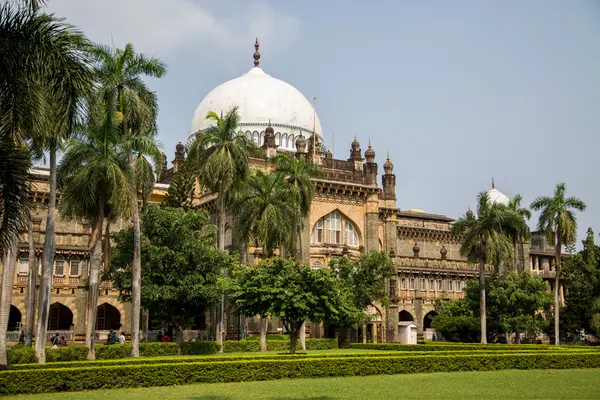
The museum was designed by George Wittet, the Scottish architect who also designed the Gateway of India. It is a leading example of the Indo-Saracenic style, which combines Western Indian, Mughal, Maratha and Jain elements with European planning. The building is topped by a large dome and stands in landscaped gardens on a plot traditionally called the Crescent Site.
The museum building is listed as a Grade I heritage building. It received a UNESCO Asia-Pacific Heritage Award for Cultural Heritage Conservation in 2010, and its conservation work was recognised again with an Award of Excellence in the UNESCO Asia-Pacific Awards for Cultural Heritage Conservation in 2022.
What to see at CSMVS
The collection of around 50,000 objects is divided into three broad sections: art, archaeology and natural history. Highlights include:
- Sculpture: stone and bronze sculpture from across India, including early Buddhist and Hindu works.
- Indian miniature paintings from the Mughal, Rajasthani, Pahari and Deccani schools.
- Himalayan art, including Buddhist bronzes and painted scrolls (thangkas).
- Decorative arts: textiles, Mughal jades, decorative metalware, and an arms and armour gallery that includes armour belonging to the Mughal emperor Akbar, dated 1581.
- Coins from different periods of Indian history.
- Pre- and proto-history, including Indus Valley objects such as ornaments, weapons, fishing hooks and weights.
- A gallery devoted to Krishna in Indian art.
- European paintings and decorative art, and Chinese and Japanese art.
- The natural history section, with dioramas of Indian birds and animals.
Gallery names and displays change, and some galleries may be closed for upgrading at any time. The museum also runs talks, workshops, children’s activities and short courses; see its website for the current programme.
How to reach CSMVS
- Suburban rail: Churchgate (Western line) and Chhatrapati Shivaji Maharaj Terminus (CSMT, Central and Harbour lines) are the nearest major stations. From either, it is a short taxi ride or a walk through Fort.
- Metro: Mumbai Metro Line 3 (the Aqua Line) has stations at Churchgate, Hutatma Chowk and CSMT, all within reach of the museum.
- From the Gateway of India: The museum is a short walk away.
Tips for visiting
- Arrive soon after opening on weekdays for quieter galleries.
- Take the audio guide if you want context on the main objects; it is included free for foreign visitors.
- Remember the four closed days, and that the ticket counter shuts at 5:45 pm.
- Carry ID if you are claiming a student, senior citizen or defence concession.
Nearby places
- Jehangir Art Gallery, next to the museum at Kala Ghoda
- The Asiatic Society Town Hall at Horniman Circle
- Chhatrapati Shivaji Maharaj Terminus, the UNESCO-listed railway station
- Flora Fountain at Hutatma Chowk
Frequently asked questions
What is the entry fee for the Prince of Wales Museum?
Under rates in force since 1 May 2025, Indian adults pay ₹200 (₹250 with an audio guide), children aged 5 to 15 pay ₹40, and foreign adults pay ₹700 including the audio guide.
Is CSMVS open on Monday?
Yes. The museum’s website lists it as open Monday to Sunday, 10:15 am to 6 pm. It is closed only on 26 January, 1 May, 15 August and 2 October.
When was the Prince of Wales Museum renamed?
In 1998, when it became Chhatrapati Shivaji Maharaj Vastu Sangrahalaya.
Who designed the Prince of Wales Museum?
George Wittet, who also designed the Gateway of India. The foundation stone was laid in 1905, and the museum opened to the public in 1922.
How long does it take to see CSMVS?
Plan at least two to three hours for the main galleries, and longer if you want to use the audio guide throughout.
Timings, fees and visitor rules in this guide were checked in October 2026 against the Chhatrapati Shivaji Maharaj Vastu Sangrahalaya’s official website, together with published histories of the museum. Rates and gallery openings change, so check before visiting.