Quick answer: Puri Beach, in the temple town of Puri in Odisha, is a long, sandy Bay of Bengal beach known as the Golden Beach. Part of it holds the international Blue Flag certification, first awarded in October 2020. It is about 2 km from Puri railway station and about 60 km from Bhubaneswar’s airport, and entry to the public beach is free. The surf can be strong, so swim only where lifeguards are on duty.

Puri Beach is the best-known beach in Odisha and one of the most visited on India’s east coast. It stretches along the shore of Puri, one of Hinduism’s holiest towns, so most visitors combine a beach day with a visit to the Jagannath temple. For generations it has also been a favourite weekend and holiday escape for families from Kolkata and the rest of West Bengal. An earlier version of this article called it the biggest beach in India; we could not support that claim, so it has been removed.
Puri Beach at a glance
| Detail | Information |
|---|---|
| Location | Puri, Puri district, Odisha, on the Bay of Bengal |
| Also called | Golden Beach |
| Certification | Blue Flag (first awarded 11 October 2020) |
| Entry fee | None for the public beach |
| Nearest railway station | Puri, about 2 km |
| Nearest airport | Biju Patnaik International Airport, Bhubaneswar, about 60 km |
| Best time to visit | October to March, when the weather is cooler |
| Time needed | Half a day for the beach; two days for Puri and nearby places |
What to expect at Puri Beach
Puri’s wide sands are good for long walks at sunrise, which is the classic time to be on the beach here. Local fishermen launch boats and mend nets along parts of the shore, and in the evenings the beachfront fills with families, food stalls and vendors selling shell crafts and Odisha handlooms.
The beach is also a venue for sand art. The internationally known sand artist Sudarsan Pattnaik, who is from Puri, regularly creates large sand sculptures here, often on festivals and topical themes.
To earn the Blue Flag, awarded by the Foundation for Environmental Education (FEE) in Denmark, a beach has to meet standards for water quality, safety, environmental management and visitor facilities. The award is reviewed every year, so check whether the certification is current when you visit.
Is it safe to swim at Puri Beach?
An earlier version of this article said Puri is safer than other beaches because it does not face high tides, and that high tides happen only during a full moon. That is not correct: tides rise and fall twice a day, and the Bay of Bengal surf at Puri can be powerful, with strong currents. Drownings do happen here. Swim only in lifeguarded areas, follow the lifeguards’ flags and instructions, don’t go in after dark or when the sea is rough, and keep children close. During cyclone warnings, which mainly fall in the pre-monsoon and post-monsoon months, stay out of the water completely.
Puri Beach Festival
The annual Puri Beach Festival brings Odisha’s culture to the beach with folk dance, music, sand art, crafts and food. It is co-sponsored by the Ministry of Tourism, the Odisha government, the Development Commissioner of Handicrafts and the Eastern Zonal Cultural Centre in Kolkata. It is usually held in the winter season; check Odisha Tourism for the dates in the year you plan to visit.
How to reach Puri Beach
- By train: Puri railway station, a terminus with direct trains from Kolkata, Delhi and many other cities, is about 2 km from the beach. Auto-rickshaws and cycle-rickshaws run to the seafront.
- By air: Biju Patnaik International Airport in Bhubaneswar is about 60 km away. Taxis and buses run between Bhubaneswar and Puri.
- By road: Puri is well connected by road to Bhubaneswar and Konark, and Odisha State Road Transport Corporation and private buses run to the town.
Things to do in and around Puri
Jagannath Temple
The Shree Jagannath Temple is one of the four Char Dham pilgrimage sites, along with Badrinath, Dwarka and Rameswaram. Temple records credit the legendary King Indradyumna with the first shrine, and the present temple complex was rebuilt from the 11th and 12th centuries by the Eastern Ganga dynasty, beginning with King Anantavarman Chodaganga. (An earlier version of this article said the temple was rebuilt “from the tenth century onwards”.)
Only Hindus are allowed inside the temple, and the temple administration has taken action over violations. Non-Hindus can see the deities during the Rath Yatra procession. Phones and cameras are restricted inside, so leave them at your hotel or at the counters provided, and check the current rules with the Shree Jagannath Temple Administration before you go. The Shree Jagannath Heritage Corridor (Shree Mandir Parikrama) around the temple was inaugurated in January 2024.
Rath Yatra
The Rath Yatra, or chariot festival, is held each year in the Hindu month of Ashadha, which usually falls in June or July. It draws enormous crowds, and hotels fill up early, so book well in advance if your trip coincides with it.
Raghurajpur heritage crafts village
Raghurajpur, about 14 km from Puri on the bank of the Bhargavi river, is famous for Pattachitra, the traditional cloth paintings of Odisha. In 2000 the Indian National Trust for Art and Cultural Heritage (INTACH) chose it to be developed as Odisha’s first heritage village. Many households practise crafts such as Pattachitra, palm-leaf engraving, stone and wood carving, masks and papier-mâché toys, and visitors can watch artists at work and buy directly from them. The village is also the birthplace of the Odissi maestro Kelucharan Mohapatra and home to Gotipua dance troupes.
Chilika Lake
Chilika Lake, which spreads across Puri, Khordha and Ganjam districts, is described by the Chilika Development Authority as Asia’s largest brackish-water lagoon. It is one of the most important wintering grounds for migratory birds in the Indian subcontinent, and the birds gather in huge numbers through the winter, with large flocks around Nalabana Island. Chilika is also home to India’s only known population of Irrawaddy dolphins; boat trips to see them leave from Satapada, about 50 km by road from Puri. Winter, roughly November to February, is the best time for birdwatching.
Other beaches in Odisha
If you want a quieter beach, Odisha has many along its Bay of Bengal coastline. Chandrabhaga near Konark is known for sunrises and its link with the Sun Temple, while Gopalpur in Ganjam district and Astaranga and Balighai are calmer alternatives. Check local conditions before swimming at any of them.
Shopping for Odisha handlooms
Puri is a good place to buy Odisha’s textiles: Sambalpuri saris and fabrics, Bomkai, and the state’s distinctive ikat weaves, along with Pattachitra paintings and shell crafts. Buy from government emporia or directly from artisans when you can.
Where to stay and eat
Puri has hotels and guesthouses for every budget, many of them along the seafront and others closer to the temple. Book early during the Rath Yatra, Durga Puja and the winter holidays, and choose an air-conditioned room if you visit in summer. Simple restaurants serve Odia thalis and fresh seafood, and the temple’s Mahaprasad (Abadha) is a well-known local food experience for Hindu visitors.
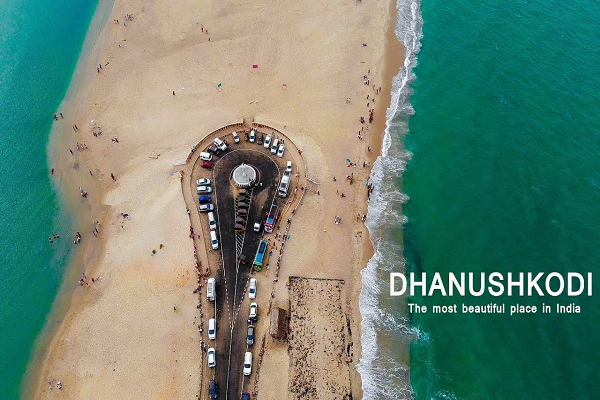
Exploring more of India’s coast? Read our guides to Dhanushkodi Beach in Rameswaram, Yarada Beach in Visakhapatnam and Muzhappilangad Beach in Kannur.
Frequently asked questions
Why is Puri Beach called the Golden Beach?
The name refers to its sand. The Blue Flag-certified stretch of Puri’s shore is officially known as Golden Beach.
Is there an entry fee for Puri Beach?
No. The public beach is free to visit.
How far is Puri Beach from the Jagannath Temple?
The beach and the temple are both in Puri town, a short auto-rickshaw ride apart. Most visitors see both on the same day.
How many days are enough for Puri?
Two days are usually enough for the temple, the beach and a short trip to Raghurajpur or Konark. Add a day if you want to visit Chilika Lake.
When is the best time to visit Puri?
October to March has the most comfortable weather. Avoid the peak of summer, and expect very large crowds during the Rath Yatra in June or July.
Details checked in October 2026 against Blue Flag certification records, the Chilika Development Authority, INTACH and heritage-village records for Raghurajpur, and the history of the Shree Jagannath Temple. Temple rules and festival dates change, so check official sources before you travel.