
Quick answer: Kerala’s most famous temples include Sabarimala (Lord Ayyappa), Guruvayur (Lord Krishna), Sree Padmanabhaswamy in Thiruvananthapuram (Lord Vishnu), Attukal Bhagavathy, Mannarasala, Ettumanoor, Ambalappuzha, Chottanikkara, Vaikom and Vadakkunnathan in Thrissur. Many follow traditional rules: several admit only Hindus, most have a dress code, and Sabarimala opens only in set seasons with online booking. Check each temple’s official board or website for timings and entry rules before you go.

Kerala, known as “God’s Own Country”, has thousands of temples, and many are still run according to centuries-old rituals and customs. Kerala temple architecture is distinctive, with sloping tiled or copper roofs, wooden carving and mural paintings. The ten temples below are among the most visited and best known in the state. They are a good starting point for a pilgrimage or a cultural trip.
Famous temples in Kerala at a glance
| Temple | Deity | Location | Main festival (approx. months) |
|---|---|---|---|
| Sabarimala | Ayyappa (Sree Dharma Sastha) | Pathanamthitta district | Mandala-Makaravilakku (mid-November to January) |
| Guruvayur | Guruvayurappan (Krishna) | Thrissur district | Utsavam (February–March), Ekadasi (November–December) |
| Sree Padmanabhaswamy | Vishnu | Thiruvananthapuram | Aipasi (October–November), Panguni (March–April) |
| Attukal Bhagavathy | Bhagavathy (Kannaki) | Thiruvananthapuram | Attukal Pongala (February–March) |
| Mannarasala | Nagaraja (serpent deity) | Haripad, Alappuzha | Ayilyam (September–October) |
| Ettumanoor Mahadeva | Shiva | Kottayam district | Arattu festival (February–March) |
| Ambalappuzha Sri Krishna | Krishna | Alappuzha district | Arattu (March–April) |
| Chottanikkara Bhagavathy | Bhagavathy (Rajarajeswari) | Ernakulam district | Makam Thozhal (February–March), Navaratri |
| Vaikom Mahadeva | Shiva | Kottayam district | Vaikom Ashtami (November–December) |
| Vadakkunnathan | Shiva | Thrissur | Thrissur Pooram (April–May) |
1. Sabarimala Sree Dharma Sastha Temple
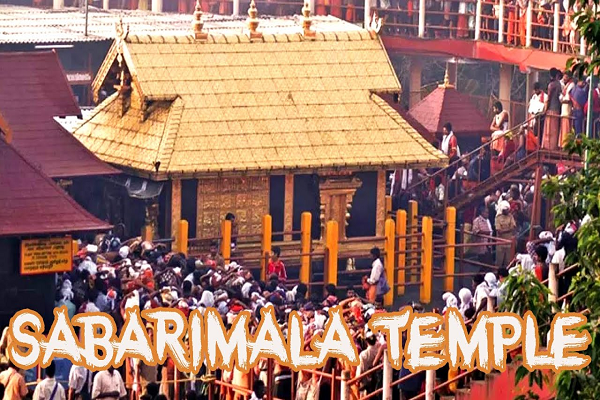
Sabarimala is one of India’s biggest pilgrimage centres. The temple stands on a forested hill at about 1,260 metres in the Western Ghats, in Pathanamthitta district, inside the Periyar Tiger Reserve area. It is dedicated to Lord Ayyappa (Sree Dharma Sastha), believed to be the son of Lord Shiva and Mohini, the female form of Lord Vishnu. The Travancore Devaswom Board manages the temple.
The temple is not open all year. It opens for the Mandala Pooja season (roughly mid-November to late December), for Makaravilakku in mid-January, for the first few days of each Malayalam month and on a few other occasions. Most pilgrims now drive to Pamba and then walk up the paved Neelimala path; the traditional forest route from Erumely is about 61 km. Pilgrims usually follow a period of vratham (fasting and discipline) before the journey. Darshan is booked through the Travancore Devaswom Board’s official online portal (sabarimalaonline.org), and spot bookings at the base are capped (at 5,000 a day in the 2025 season, after a Kerala High Court order), so book well ahead.
Women’s entry: an earlier version of this article said only men can enter, except girls under 10 and women over 50. That was the traditional rule, upheld by the Kerala High Court in 1991. On 28 September 2018 the Supreme Court ruled that women of all ages may enter. Review petitions followed, and the wider questions were referred to a larger bench; a nine-judge Supreme Court bench began hearing them in April 2026. A final ruling had not been confirmed when this guide was checked in October 2026, so check the current position with the Travancore Devaswom Board before planning a visit.
2. Guruvayur Sri Krishna Temple
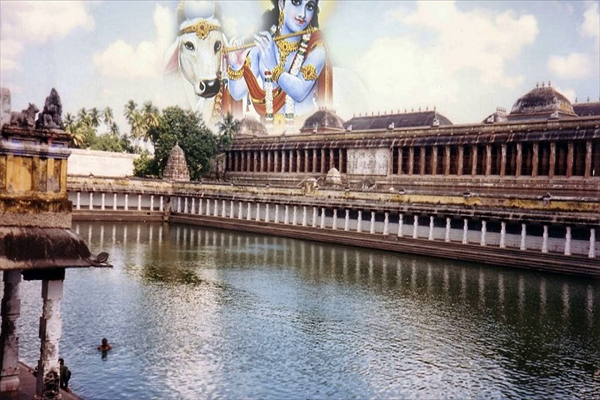
The Guruvayur temple, in Guruvayur town in Thrissur district, is dedicated to Guruvayurappan, a form of Lord Krishna (Vishnu). Devotees often call it the “Dwarka of the South”, and it draws very large crowds every day. The Guruvayur Devaswom, a statutory body under the Government of Kerala, runs the temple. Its elephant yard at Punnathurkotta, about 3 km away, houses dozens of temple elephants.
The busiest times are the ten-day Utsavam in the Malayalam month of Kumbham (February–March), Guruvayur Ekadasi in Vrischikam (November–December), Krishna Janmashtami and Vishu in mid-April. According to Kerala Tourism, only Hindus are allowed inside the temple, and there is a strict dress code: men wear a plain white or cream mundu (dhoti) without a shirt, and women wear a sari, a skirt and blouse or a churidar.
3. Sree Padmanabhaswamy Temple, Thiruvananthapuram
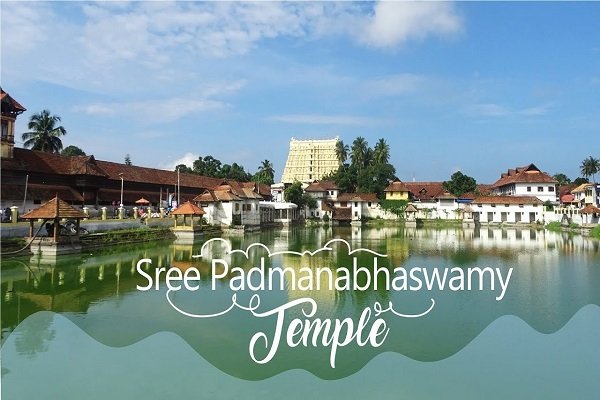
The Sree Padmanabhaswamy temple in Thiruvananthapuram, the state capital, is dedicated to Lord Vishnu as Padmanabha, reclining on the serpent Anantha (Adi Shesha). The huge idol is seen through three doors, each showing a different part of the deity. The temple blends Kerala and Tamil (Dravidian) styles, and its seven-tier gopuram is about 100 feet (30 metres) tall.
The temple became world news in June 2011, when the Supreme Court directed officials to open its underground vaults for an inventory; they held gold idols, jewellery and coins collected over centuries. One vault, Vault B, has still not been opened. On 13 July 2020 the Supreme Court upheld the rights of the former Travancore royal family in the temple’s administration, which is run by a committee under the court’s directions.
Only Hindus may enter. Men wear a white mundu (vesti) with an angavastram and no shirt, and women wear a sari. The two main ten-day festivals are Aipasi (October–November) and Panguni (March–April).
An earlier version of this article said the temple was “opened two years ago” and described the serpent as eight-hooded; those details have been corrected or removed.
4. Attukal Bhagavathy Temple, Thiruvananthapuram
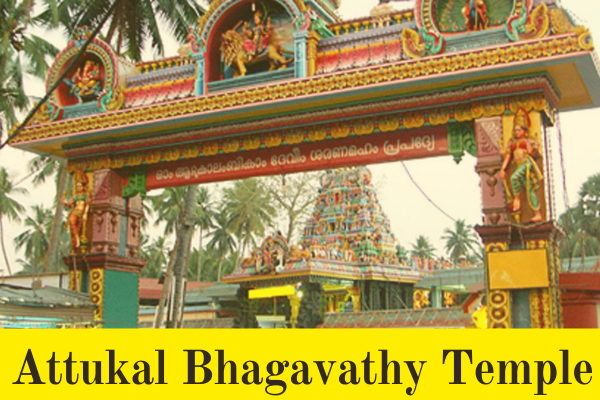
The Attukal Bhagavathy temple, about 2 km from the Sree Padmanabhaswamy temple, is dedicated to the goddess Bhagavathy, identified with Kannaki, the heroine of the Tamil epic Cilappatikaram. It is famous for the Attukal Pongala, held during a ten-day festival in the Malayalam month of Kumbham (February–March). On Pongala day, the ninth day, women cook pongala, a sweet rice dish made with jaggery, ghee, coconut, nuts and raisins, in small pots in the open as an offering to the goddess, filling the streets of the city for kilometres.
The Pongala has been listed in the Guinness World Records as the largest gathering of women for a religious activity. Very large numbers of women take part every year, including many who travel from outside Kerala and abroad.
5. Mannarasala Sree Nagaraja Temple, Haripad
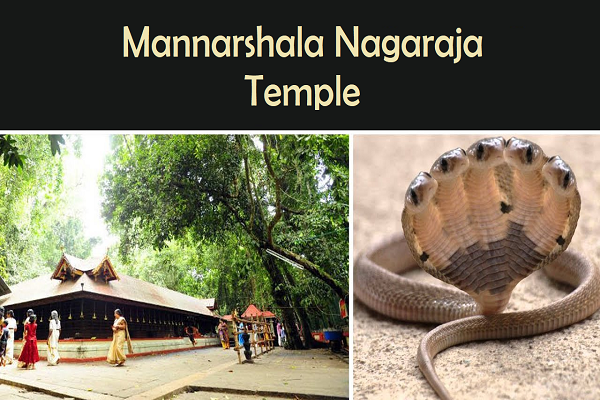
The Mannarasala temple in Haripad, Alappuzha district, is dedicated to Nagaraja, the serpent king, and is one of Kerala’s best-known serpent temples. It stands in a sacred grove, and thousands of serpent images line the paths and the spaces among the trees (published figures range from about 30,000 to more than 100,000).
Couples hoping for a child come to pray here, and many return after a birth to offer a new serpent image in thanks; the ritual associated with this prayer is known as uruli kamazhthal. Unusually, the matriarch of the Mannarasala family carries the Nagaraja idol in the temple’s processions. The main festival falls on the Ayilyam star in the Malayalam months of Kanni and Thulam (September–October).
An earlier version of this article placed the Ayilyam festival in October or November; published records place it in Kanni and Thulam, roughly September to October.
6. Ettumanoor Mahadeva Temple
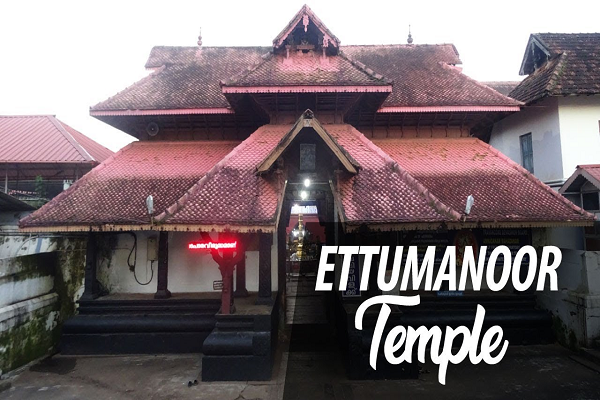
The Ettumanoor Mahadeva temple, about 12 km from Kottayam, is dedicated to Lord Shiva, worshipped here as Ettumanoorappan. The present structure, with its gopuram and surrounding wall, was rebuilt in 1542. The temple is known for its mural paintings; the fresco of Pradosha Nritham (Shiva’s dance) at the entrance is considered one of the finest wall paintings in India.
The ten-day festival in Kumbham (February–March) is the best time to visit. Its highlight is the Ezhara Ponnana darshan on the eighth night, when seven and a half gold-plated elephant figures are shown to devotees once a year.
7. Ambalappuzha Sri Krishna Temple
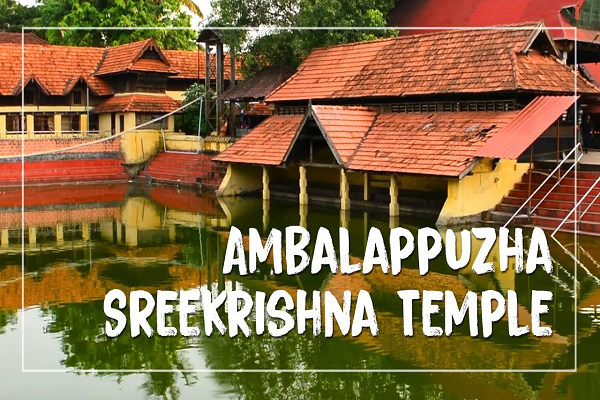
The Ambalappuzha Sri Krishna temple in Alappuzha district is believed to have been built by the local ruler Chembakassery Pooradam Thirunal Devanarayanan Thampuran; the date is given variously as the 15th to early 17th century. The idol is compared to Parthasarathy, Krishna as Arjuna’s charioteer. The temple is famous for its palpayasam, a sweet rice-and-milk offering; devotees believe Guruvayurappan himself comes daily to receive it. During Tipu Sultan’s raids in 1789, the idol from Guruvayur was brought here for safekeeping.
The Arattu festival falls on Thiruvonam day in March–April, and the Moolam water festival (also called Chambakkulam Moolam) is held on Moolam day in the Malayalam month of Mithunam. An earlier version of this article said the temple was built in the 17th century and placed its main festival in July; the dates have been corrected.
8. Chottanikkara Bhagavathy Temple
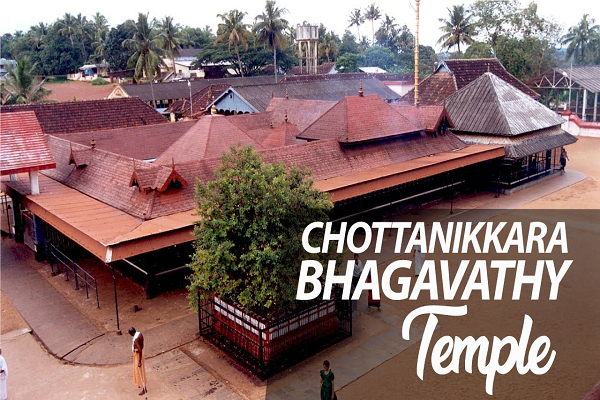
The Chottanikkara temple, in Ernakulam district about 18 km from Kochi city, is dedicated to the goddess Bhagavathy (Rajarajeswari). According to Kerala Tourism, she is worshipped in three forms during the day: as Saraswati in the morning, Lakshmi at noon and Durga in the evening (some accounts name Bhadrakali or Kali for one form). The temple is managed by the Cochin Devaswom Board.
Chottanikkara is traditionally believed to help people suffering from mental illness, and many families bring relatives to pray here. The biggest event is Makam Thozhal, on the Makam star in Kumbham (February–March); Navaratri, in September–October, also draws large crowds.
9. Vaikom Mahadeva Temple
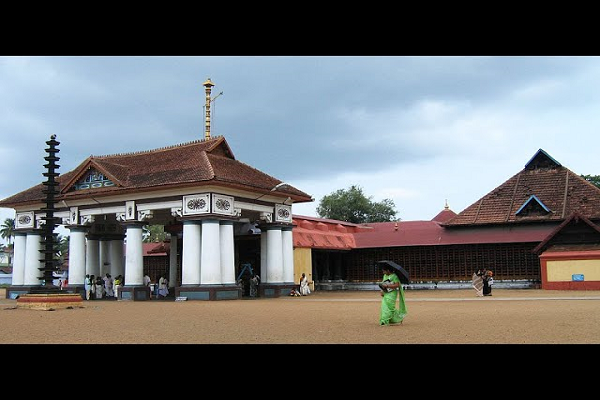
The Vaikom Mahadeva temple in Vaikom, Kottayam district, is one of Kerala’s major Shiva temples and is often called the “Dakshina Kashi” (Kashi of the South). It is built in the traditional Kerala style, with a copper-roofed sanctum that looks round from outside but is oval inside, said to be the only one of its kind in Kerala.
The temple is also closely tied to modern history. From March 1924 to November 1925, the Vaikom Satyagraha campaigned for the right of Ezhavas and people treated as “untouchable” to use the roads around the temple, a landmark in India’s movement against untouchability. The main festival, Vaikom Ashtami, is held in Vrischikam (November–December).
10. Vadakkunnathan Temple, Thrissur
The Vadakkunnathan temple stands at the centre of Thrissur, Kerala’s cultural capital. Shiva is the main deity, with shrines to Parvati, Shankaranarayana (a combined form of Shiva and Vishnu), Rama and Ganesha. Local tradition says the temple was founded by Parashurama, the sixth avatar of Vishnu. It is a classic example of Kerala temple architecture, with four gopurams, a koothambalam (temple theatre) and murals showing scenes from the Mahabharata. The temple and its murals are a protected national monument, and its 2015 conservation project won a UNESCO Asia-Pacific Award of Excellence.
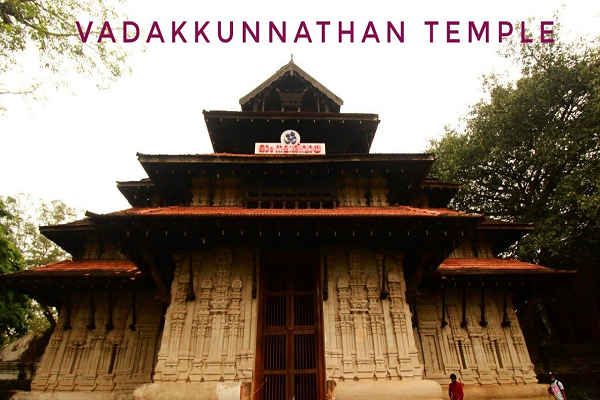
Vadakkunnathan is the setting for the Thrissur Pooram in the Malayalam month of Medam (April–May): caparisoned elephants, the kudamattam display of colourful parasols, traditional percussion and huge crowds make it one of Kerala’s most spectacular festivals.
Tips for visiting Kerala temples
- Dress code: Kerala Tourism advises that in most temples men are expected to enter bare-chested, wearing a mundu, while women wear a sari, churidar or long skirt and blouse. Rules are stricter at some temples, such as Guruvayur and Padmanabhaswamy.
- Entry for non-Hindus: several major temples, including Guruvayur and Padmanabhaswamy, admit only Hindus. Check before you go.
- Timings: many temples close for a few hours between the morning and evening rituals, so check the timings for each temple and avoid arriving in the early afternoon.
- Customs: walk clockwise around the sanctum; at Shiva temples, devotees do not complete the full circuit but turn back at a set point.
- Annadanam: many temples serve free meals (annadanam) to devotees in dining halls built for the purpose.
- Festivals: temples can be visited all year, but annual festivals show the temples at their most colourful, with age-old rituals. Expect large crowds and plan accommodation early.
Exploring more of South India? See our guide to the most famous temples in Chennai, and plan a trip to Muzhappilangad, Kerala’s drive-in beach, or Dhanushkodi near Rameswaram.
Frequently asked questions
Which is the most famous temple in Kerala?
Sabarimala, Guruvayur and Sree Padmanabhaswamy are the best known. Sabarimala draws the largest seasonal pilgrimage; Guruvayur has very large crowds all year; Padmanabhaswamy is famous for its history and its vaults.
Can women visit Sabarimala?
The Supreme Court allowed women of all ages in 2018, but the issue was referred to a larger bench, which began hearings in April 2026. Check the current position with the Travancore Devaswom Board before planning a visit.
Can non-Hindus enter Guruvayur temple?
No. According to Kerala Tourism, only Hindus are allowed inside the Guruvayur temple. Sree Padmanabhaswamy has the same rule.
What is the dress code for Kerala temples?
In most temples men wear a mundu (dhoti) without a shirt and women wear a sari, churidar or long skirt and blouse. Check the specific temple’s rules, as some are stricter.
When is Attukal Pongala held?
During the ten-day Attukal festival in the Malayalam month of Kumbham, usually in February or March. The exact date changes every year.
Details checked in October 2026 against Kerala Tourism’s temple pages and guidance, published records of each temple, and reporting on the Sabarimala case in the Supreme Court. Temple timings, booking systems and entry rules change, so check the official temple or Devaswom Board website before you visit.


