Quick answer: Chor Bazaar is Mumbai’s best-known flea and antiques market, centred on Mutton Street just off Mohammed Ali Road, near Bhendi Bazaar in South Mumbai. It is often described as about 150 years old and is known for old lamps, gramophones, film posters, brassware, cameras and second-hand hardware. There is no entry fee. Shop hours are not officially published and Fridays are different (many shops close while a street market traditionally runs), so check locally before you go.
Chor Bazaar at a glance
| Detail | What to know |
|---|---|
| Location | Mutton Street and nearby lanes, off Mohammed Ali Road, near Bhendi Bazaar, South Mumbai |
| Known for | Antiques and replicas, vintage lamps, gramophones, old cameras, Bollywood posters, brass and bronze items, tools and spare parts |
| Entry fee | None; it is a public street market |
| Timings | No official timings; shops generally open from late morning, and Friday follows a different pattern |
| Best time to visit | October to March, on a weekday afternoon when the lanes are open but less crowded |
| Time needed | 2 to 3 hours to browse |
What is Chor Bazaar?
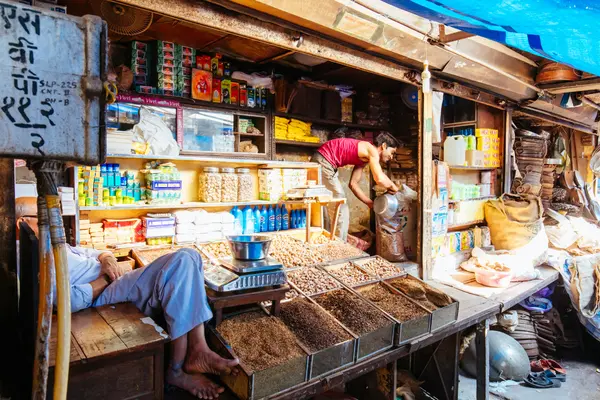
Chor Bazaar is a cluster of small shops and pavement sellers dealing in old, second-hand and antique-style goods. The name means “thieves’ market”, and for a long time the market had a reputation for stolen goods. Today it is mostly a place for collectables, reproductions and recycled items, and many shops have been run by the same families for generations.
Not everything sold as “antique” is old. Many shops openly sell copies of vintage pieces alongside genuine ones, so look carefully and ask. Prices are rarely fixed, and bargaining is normal. Film and advertising crews are said to hire or buy props here.
History of Chor Bazaar
Chor Bazaar’s exact founding date is not documented, but the market is usually said to be around 150 years old. Two popular stories explain the name:
- “Shor Bazaar”: The market was once called Shor Bazaar, the “noisy market”, because of its loud sellers and busy lanes. According to this story, the British mispronounced “shor” as “chor”, and the name stuck.
- Queen Victoria’s belongings: Another legend says that items belonging to Queen Victoria, including a violin, went missing while being shipped and later turned up in the market.
Both stories are folklore. There is no documentary evidence for either, but they are part of the market’s appeal.
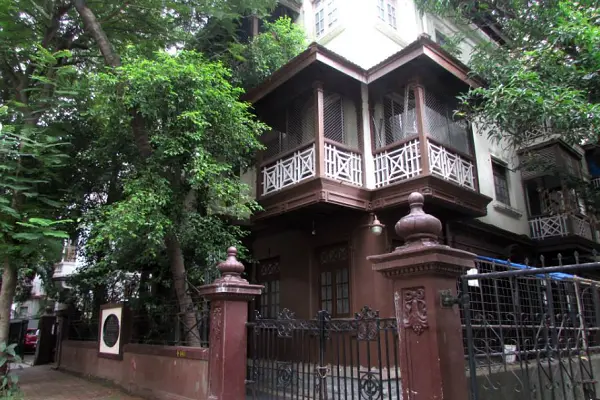
The wider Bhendi Bazaar neighbourhood next to Chor Bazaar is being redeveloped by the Saifee Burhani Upliftment Trust (SBUT). According to the trust, the project covers about 16.5 acres and more than 250 old buildings, housing around 3,200 families and 1,250 shops; its first towers were completed in 2019 and other phases are still under way. Some lanes and shopfronts in the area may look different from older photographs.
What to buy at Chor Bazaar
The old version of this article listed specific shops with street numbers and owners’ names. We could not confirm that those shops still trade at those addresses, so they have been removed. These are the main types of goods you will find:
Lamps and lights
Lamps are among the most sought-after items: hurricane lanterns, brass ship lanterns, glass hanging lamps, chandeliers, and old-style kerosene lamps, both originals and reproductions.
Gramophones, clocks and old electronics
Gramophones, pendulum and wall clocks, rotary telephones, radios and old cameras (including box cameras and film cameras) are common finds. Check that anything mechanical actually works before you pay.
Brass, bronze and metalware
Shops sell brass and bronze figures of deities, bells, pots, utensils and decorative pieces. Many are new castings made to look old.
Bollywood posters and memorabilia
Hand-painted and printed Hindi film posters, lobby cards, vinyl records and other memorabilia are a speciality. Originals of famous films can be expensive; reprints are cheaper.
Tools, hardware and spare parts
Near the Mutton Street entrance, hardware sellers display hammers, drills, spanners, saws and other tools, and some lanes deal in car and motorcycle parts.
Furniture and home decor
Several shops deal in old and replica furniture, mirrors, frames, trunks and other decorative items.
Tips for visiting Chor Bazaar
- Fridays are different. A 2014 Outlook Traveller report described a flea market that runs on Fridays from about 11 am until dark, while most of the furniture and antique shops stay closed that day. Arrangements may have changed since, so ask locally or visit on another day if you want the shops open.
- Bargain politely. First prices are often high. Agree on a price before the seller wraps anything.
- Check authenticity. Assume an item is a replica unless you can verify it. For valuable pieces, ask about the item’s history and get a written receipt.
- Watch your belongings. The lanes are crowded and narrow; keep wallets and phones secure.
- Dress modestly. The market is in a traditional neighbourhood, so clothing that covers shoulders and knees is a sensible choice.
- Carry some cash. Small sellers may not take cards, and cash makes bargaining easier.
How to reach Chor Bazaar
- By road: Mutton Street runs west off Mohammed Ali Road. Outlook Traveller’s directions are to turn west at the Null Bazaar traffic signal on Mohammed Ali Road; the entrance to Mutton Street is about 150 metres away.
- Suburban rail: Grant Road on the Western line is the commonly used station, followed by a short taxi ride or walk. Sandhurst Road on the Central and Harbour lines is also in the area.
- Taxi: Ask for Mutton Street or Chor Bazaar near Bhendi Bazaar. Traffic on Mohammed Ali Road is heavy, so allow extra time.
Places to visit near Chor Bazaar
- The Mahatma Jyotiba Phule Mandai (Crawford Market) is the next big bazaar to the south, good for fruit, spices and household goods.
- Mani Bhavan, Mahatma Gandhi’s Mumbai base, is a short ride away near Grant Road.
- The Chhatrapati Shivaji Maharaj Terminus, a UNESCO World Heritage railway station, is to the south.
- For a very different kind of shopping street, see our guide to Colaba Causeway.
Frequently asked questions
Does Chor Bazaar sell stolen goods?
Despite its name, Chor Bazaar today is mainly a market for antiques, reproductions and second-hand goods. The “thieves’ market” name comes from its old reputation and from the popular story that “Shor Bazaar” (noisy market) was mispronounced.
Is Chor Bazaar open on Friday?
Fridays follow a different pattern. Many shops close, while a street flea market has traditionally been held that day. Arrangements change, so confirm locally.
Is there an entry fee for Chor Bazaar?
No. It is a public street market and free to walk around.
Where exactly is Chor Bazaar?
Chor Bazaar is centred on Mutton Street, off Mohammed Ali Road near Bhendi Bazaar in South Mumbai. Grant Road is a commonly used nearby railway station.
Are the antiques at Chor Bazaar genuine?
Some are, but many are replicas. Examine pieces carefully, ask questions and bargain, and assume an item is a reproduction unless you can confirm otherwise.
This guide was checked in October 2026 against published reporting on Chor Bazaar and the Saifee Burhani Upliftment Trust’s information on the Bhendi Bazaar redevelopment. Chor Bazaar has no official timetable, so confirm shop hours locally.