Quick answer: Alaska’s best beaches are wild, cold-water shores for walking, wildlife and scenery rather than swimming. Top picks include the Homer Spit, Bishop’s Beach and Kachemak Bay State Park around Homer, Lowell Point and the waterfront in Seward, Petroglyph Beach in Wrangell, Lena Beach near Juneau, Settlers Cove near Ketchikan, Halibut Point in Sitka and the gold-panning beach at Nome. Tides are large and fast, and bears visit many beaches, so check tide tables and local safety advice first.
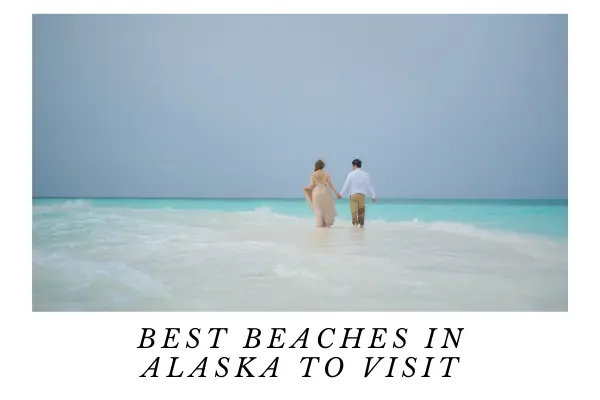
Alaska, the “Last Frontier”, has more coastline than any other US state, along with forests, mountains, glaciers and countless lakes. Its beaches range from gravel and black sand to rare stretches of fine sand, and they are best for beachcombing, tide-pooling, fishing, kayaking and watching wildlife. Whether you travel alone or with family, these 15 beaches show the variety of Alaska’s coast.
An earlier version of this article included three beaches we could not confirm or that were in the wrong place: “Beluga Beach” in Seward, “Elias Beach” in Sitka and “Clark’s Point Beach” in Nome (Clark’s Point is a village on Bristol Bay, hundreds of miles from Nome). They have been replaced with verified beaches in the same towns. We also removed a first-person childhood memory that we could not verify.
Before you go: Alaska beach safety
- Tides: tides in places such as Kachemak Bay and Cook Inlet are among the largest in North America, and incoming water can cut off a beach quickly. Check a tide table, and never walk on mudflats, which can trap you.
- Cold water: the sea stays cold even in summer, and cold-water shock is a real danger. Swim only briefly, if at all, and wear a life jacket when kayaking.
- Bears and wildlife: brown and black bears use many beaches, especially near salmon streams. Carry bear spray where advised, keep food and fish waste secured, and keep your distance from marine mammals.
- Fishing rules: the popular dipnet fisheries on the Kenai and Kasilof beaches are open only to Alaska residents with the right permits. Visitors need a sport fishing licence and must follow Alaska Department of Fish and Game rules.
Kenai Peninsula
1. Homer Spit Beach, Homer
The Homer Spit is a narrow strip of land that stretches 4.5 miles into Kachemak Bay, with views of mountains and glaciers across the water. Its beaches are popular for beachcombing, fishing, kayaking and watching wildlife, and the spit has campgrounds, a large boat harbour, restaurants and shops. The “fishing hole”, a stocked lagoon on the spit, is a favourite with anglers. Homer town, with its galleries and restaurants, is just up the road.
2. Kachemak Bay State Park, Homer
Across the bay from Homer, Kachemak Bay State Park and State Wilderness Park cover about 400,000 acres of beaches, forests, glaciers and icefields. It was the first state park created by Alaska’s legislature. Most of the park has no road access, so visitors arrive by water taxi or small plane from Homer. Kachemak Bay is protected as a critical habitat area because of its rich wildlife, which includes sea otters, sea lions, whales, moose, black bears and many seabirds. Weather changes quickly, so go prepared and leave a travel plan.
3. Bishop’s Beach, Homer
Bishop’s Beach, close to central Homer, is one of the best places in the area to explore tide pools. At low and minus tides, the rocks reveal sea stars, anemones, crabs and seaweeds. The beach joins the Beluga Slough trail, a salt marsh that is part of the Kachemak Bay Critical Habitat Area and an important resting place for migrating birds, so it is popular with birdwatchers. Keep dogs on a leash in the protected wetland.
4. Lowell Point, Seward
Lowell Point, just south of Seward along Resurrection Bay, has a half-mile beach with views of the town and boat traffic. The Lowell Point State Recreation Site is a popular kayak launch and the starting point for the coastal trail to Caines Head. A daily parking fee or Alaska State Parks pass is required. Beyond Lowell Point, the trail to Tonsina Point and Derby Cove floods at higher tides, so plan your walk around the tide table.
5. Seward Waterfront Beach, Seward
Seward’s waterfront park runs along the shore of Resurrection Bay in the heart of town, with mountain views and room for camping, walking and picnicking. Seward is the gateway to Kenai Fjords National Park, and boat tours to see glaciers and marine wildlife leave from the harbour. Exit Glacier, in the national park a short drive from town, is one of Alaska’s most accessible glaciers, with trails that lead towards it. (An earlier version of this article said Exit Glacier is one of the few glaciers you can climb; do not walk on the ice without a qualified guide, as glaciers are dangerous.)
6. Kenai Beach, Kenai
The beaches at the mouth of the Kenai River, in the town of Kenai, are long and sandy, with views across Cook Inlet to volcanoes on the far side. Beluga whales, seals and many birds can sometimes be seen from shore. In July, North Kenai Beach becomes the scene of the busy Kenai River dipnet fishery for sockeye salmon, open only to Alaska residents. On quieter days it is a fine place for walks and picnics; the water is too cold for most swimmers.
7. Kasilof River Beach, Kasilof
The beach at the mouth of the Kasilof River, south of Kenai, is known mainly for fishing. Each summer it hosts a personal-use dipnet fishery for sockeye salmon, open to Alaska residents with a permit, which can make the beach crowded. Respect private property near the old cannery, and do not drive or park on the sand dunes. (An earlier version of this article described it as one of south-western Alaska’s biggest king salmon fisheries; king salmon may not be kept in the dipnet fishery.)
8. Whittier
Whittier sits at the head of Passage Canal on Prince William Sound, about 58 miles south-east of Anchorage. The only road access is through the Anton Anderson Memorial Tunnel, a 2.5-mile single-lane tunnel shared with the railway, which runs on a schedule and charges a toll, so plan around its opening times. Whittier’s rocky beaches look out on mountains, waterfalls and glaciers, and the town is a base for kayaking and glacier cruises. Almost all of its residents live in one building, the Begich Towers.
An earlier version of this article said Whittier is a half-hour drive from downtown Anchorage and lies on the Kenai Peninsula. The drive usually takes over an hour, depending on the tunnel schedule, and Whittier faces Prince William Sound.
Arctic Alaska
9. Prudhoe Bay and the Arctic Ocean, Deadhorse
Deadhorse, at the end of the Dalton Highway north of the Arctic Circle, is the base for the Prudhoe Bay oilfields and the only place most travellers can reach the Arctic Ocean by road. The surrounding tundra is home to caribou and birds, and polar bears are occasionally seen. There is no public access to the ocean from Deadhorse, however: you must join an authorised tour, book ahead and allow time for a security check. It is a remote outpost of work camps, not a beach resort.
Southeast Alaska
10. Lena Beach, Juneau
Lena Beach Recreation Area, at about mile 17 of the Glacier Highway north of downtown Juneau, sits at the head of Lena Cove in the Tongass National Forest. It has picnic shelters, beach walks, fishing and kayaking, with views of the mountains across the water. Bears visit the area, so pack out all rubbish. The site closes from 10 pm to 6 am. (An earlier version of this article said the beach has lifeguards and concessions; it does not.)
11. Settlers Cove, Ketchikan
Settlers Cove State Recreation Site, at mile 18 of the North Tongass Highway north of Ketchikan, has a sandy beach on Clover Passage, which is unusual in this rocky region. Trails lead to Lunch Falls and Hollow Cedar Beach, and the site has a small campground and a public-use cabin. Clover Passage is popular for kayaking and fishing, and salmon can be seen in Lunch Creek in late summer and autumn. The Tlingit people have lived in this region for thousands of years, and Ketchikan is known for its totem poles.
12. Halibut Point State Recreation Site, Sitka
Halibut Point State Recreation Site is a day-use area about 4 miles north of downtown Sitka with picnic shelters, a short trail and an ocean beach for beachcombing and exploring the intertidal zone. Look out for eagles, sea lions and whales offshore. There are no restrooms or bins, so pack out what you bring. In Sitka town, Sitka National Historical Park tells the story of the Tlingit people and Russian America.
13. Petroglyph Beach, Wrangell
Petroglyph Beach State Historic Park, about a mile north of Wrangell town, has the highest concentration of petroglyphs (rock carvings) in Southeast Alaska, with at least 40 found so far. The carvings, showing faces, whales and salmon, are attributed to ancestors of today’s Tlingit people. A boardwalk leads to a viewing deck with replicas you can use for rubbings. Many carvings are underwater at high tide, so visit at low tide and do not make rubbings of the originals.
South-west and western Alaska
14. Dutch Harbor, Unalaska
Unalaska and its port, Dutch Harbor, in the Aleutian Islands, is one of the busiest commercial fishing ports in the United States. Its rugged beaches and coves are home to sea otters, harbour seals and seabirds. Japanese aircraft bombed Dutch Harbor in June 1942, killing 43 Americans, and the Aleutian WWII National Historic Area visitor centre and the Museum of the Aleutians tell the story of the war and of the Unangax (Aleut) people. (An earlier version of this article referred to a “Unalaska Native Cultural Center”; the main museum is the Museum of the Aleutians.)
15. Nome Beach, Nome
Nome, on the Bering Sea, grew up in the gold rush that began in 1899, when gold was found in the sand of its beaches. Today the beach beside town is still known for recreational gold panning, and visitors can try their luck with a pan in the surf. Uplands above the beach can be private, so check the rules with local authorities before you dig or camp. Nome is not on the road network, so most visitors arrive by air.
Looking for warmer beaches? See our guides to the best beaches in Hawaii, Oregon’s best beaches and the best beaches in the USA.
Frequently asked questions
Can you swim at Alaska’s beaches?
You can, but the water is very cold even in summer, and cold-water shock is dangerous. Most people visit Alaska’s beaches to walk, explore tide pools, fish, kayak and watch wildlife.
When is the best time to visit Alaska’s beaches?
Summer, roughly June to August, has the longest days, the mildest weather and the most tours and ferries running. Always check tide times before heading out.
Can visitors go to the Arctic Ocean at Prudhoe Bay?
Only on an authorised tour from Deadhorse. There is no public access to the ocean on your own, and tours need advance booking for a security check.
Can you pan for gold on Nome’s beach?
Nome’s beach is known for recreational gold panning. Land above the beach can be private, so check current rules locally before you start.
Details checked in October 2026 against Alaska State Parks, US Forest Service, National Park Service and Bureau of Land Management information, Alaska Department of Fish and Game rules and local reporting. Access rules, tides and fishing seasons change, so check before you go.