Quick answer: The Mall is Shimla’s main street, a pedestrian promenade of about 1 km that runs just below the Ridge in the heart of the Himachal Pradesh capital. Built under British rule, it is lined with colonial buildings, shops, cafés, the Town Hall and the Gaiety Theatre, and it meets the Ridge at Scandal Point. There is no entry fee. Private vehicles are not allowed on the Mall, so you walk up from the Cart Road or take the HP Tourism lift.

Mall Road Shimla at a glance
| Detail | What we verified (October 2026) |
|---|---|
| Location | Central Shimla, running parallel to and below the Ridge |
| Length | About 1 km |
| Entry fee | None; it is a public street |
| Vehicles | Not allowed, apart from emergency vehicles |
| Main landmarks | Town Hall, Gaiety Theatre, Scandal Point, Himachal Emporium, General Post Office |
| Best time | Year-round; evenings are the busiest and liveliest |
| Time needed | Two to three hours, longer if you are shopping |
History of the Mall
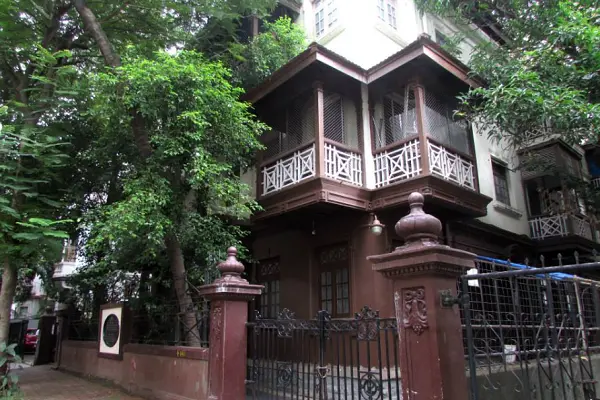
The Mall was laid out during British colonial rule, when Shimla (then spelled Simla) became the summer capital of British India. It sits a level below the Ridge and became the hill station’s main business and social street. Many of the buildings along it still keep their colonial look, and the area is known for its iron lamp posts and English street names.
The Mall is also an administrative address. The offices of the Shimla Municipal Corporation, the fire service and the police headquarters are on or beside it, and the General Post Office stands next to Scandal Point.
What to see on the Mall
Town Hall
The Town Hall was built in 1908 to a design by the Scottish architect James Ransome, and it houses the Shimla Municipal Corporation. Its broad steps and entrance are among the most photographed spots on the Mall. A restoration project to bring the building back to its original look began in 2014, and more than ₹8 crore was spent on it.
Gaiety Theatre
The Gaiety Theatre opened on 30 May 1887 and is one of Shimla’s best-known colonial landmarks. It is now part of the Gaiety Heritage Cultural Complex, which includes an art gallery, an exhibition hall and other performance spaces. Local schools and theatre groups still use its stage. Read more in our guide to the Gaiety Heritage Cultural Complex.
Scandal Point
Scandal Point is the open square where the Mall meets the Ridge on its western side, with a statue of Lala Lajpat Rai. Its name comes from a popular legend about a Maharaja of Patiala eloping with a British official’s daughter, a story that does not fit the historical record. Read the full story in our Scandal Point guide.
Kali Bari Temple
A short walk from the Mall, the Kali Bari temple is dedicated to the goddess Kali and was founded by Bengalis who came to Shimla to work for the British government. A wooden image of the goddess is worshipped there. See our guide to Kali Bari Temple.
Christ Church and the Ridge
Above the Mall, the Ridge is Shimla’s open main square, and the yellow neo-Gothic Christ Church, consecrated in 1857, stands on it. Most visitors walk the Mall and the Ridge together.
Shopping and food on the Mall
The Mall has showrooms, department stores, bookshops, cafés and restaurants. Look for:
- Himachal Emporium: the government handicrafts shop at the western end of the arcade, selling locally made woollens, Kullu and Kinnauri shawls and caps, pottery, wooden items and jewellery.
- Woollens: shawls, caps, mufflers, socks and gloves are sold all along the Mall and the Ridge.
- Wooden crafts: for a bigger choice, walk on to Lakkar Bazaar, the wooden-crafts market at the eastern end of the Ridge.
- Lower Bazaar: the busy market just below the Mall, for everyday shopping at local prices.
Cafés and restaurants on the Mall serve local Himachali, north Indian, Chinese and continental food. Individual cafés open and close often, so we have not named them; check recent reviews before you go.
How to reach the Mall
- On foot: If you are staying in central Shimla, the Mall is a short walk from most hotels.
- By the lift: HP Tourism runs a passenger lift that links the Cart Road below with the Mall. There is a large car park near the lift. Pay the fare at the counter; an earlier version of this article quoted a fare and hours that we could not confirm, so they have been removed.
- By taxi or car: Roads from the Cart Road up to the Mall are restricted, so park at one of the city car parks (such as the lift parking or the Old Bus Stand) and walk up.
- By train: Shimla station on the Kalka–Shimla line is below the town centre; take a taxi to the lift or walk up.
Tips for visiting
- Wear comfortable shoes; the Mall and the lanes up to it are steep in places.
- Carry a light jacket or shawl even in summer, as evenings cool down quickly.
- Evenings and weekends in peak season (the summer holidays and the Christmas–New Year period) are very crowded.
- Bargaining is normal in the smaller stalls, but not at government shops such as Himachal Emporium.
Frequently asked questions
Are cars allowed on Mall Road Shimla?
No. Only emergency vehicles are allowed. Entry to the restricted roads leading to the Mall needs a permit from the district administration.
How long is Mall Road Shimla?
About 1 km. It runs below and parallel to the Ridge, which it meets at Scandal Point.
What is Mall Road Shimla famous for?
Its colonial buildings, the Town Hall and Gaiety Theatre, shopping for woollens and Himachali handicrafts, and its evening crowds.
How do I get from the Cart Road to the Mall?
Walk up the steep lanes or use the HP Tourism lift, which connects the Cart Road with the Mall.
When was Shimla’s Town Hall built?
In 1908, to a design by the Scottish architect James Ransome. It was restored in a project begun in 2014.
Checked in October 2026 against Himachal Pradesh Tourism’s Shimla page, the Shimla district administration’s transport and parking information, and published histories of the Mall’s buildings.